Unlocking the Potential of Organic Tea in Nghe An: A Breakthrough from Biotechnology
The organic tea production model in Nghe An improves soil fertility and increases economic efficiency by nearly 30% through the application of biotechnology and sustainable farming.
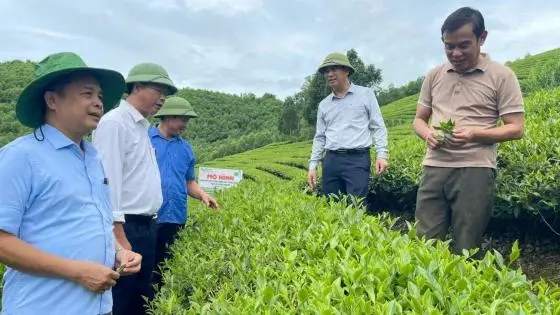
Despite having a long-standing tradition and a large cultivation area, the certified organic tea area in Nghe An currently stands at only about 20 hectares, indicating significant room for future development.
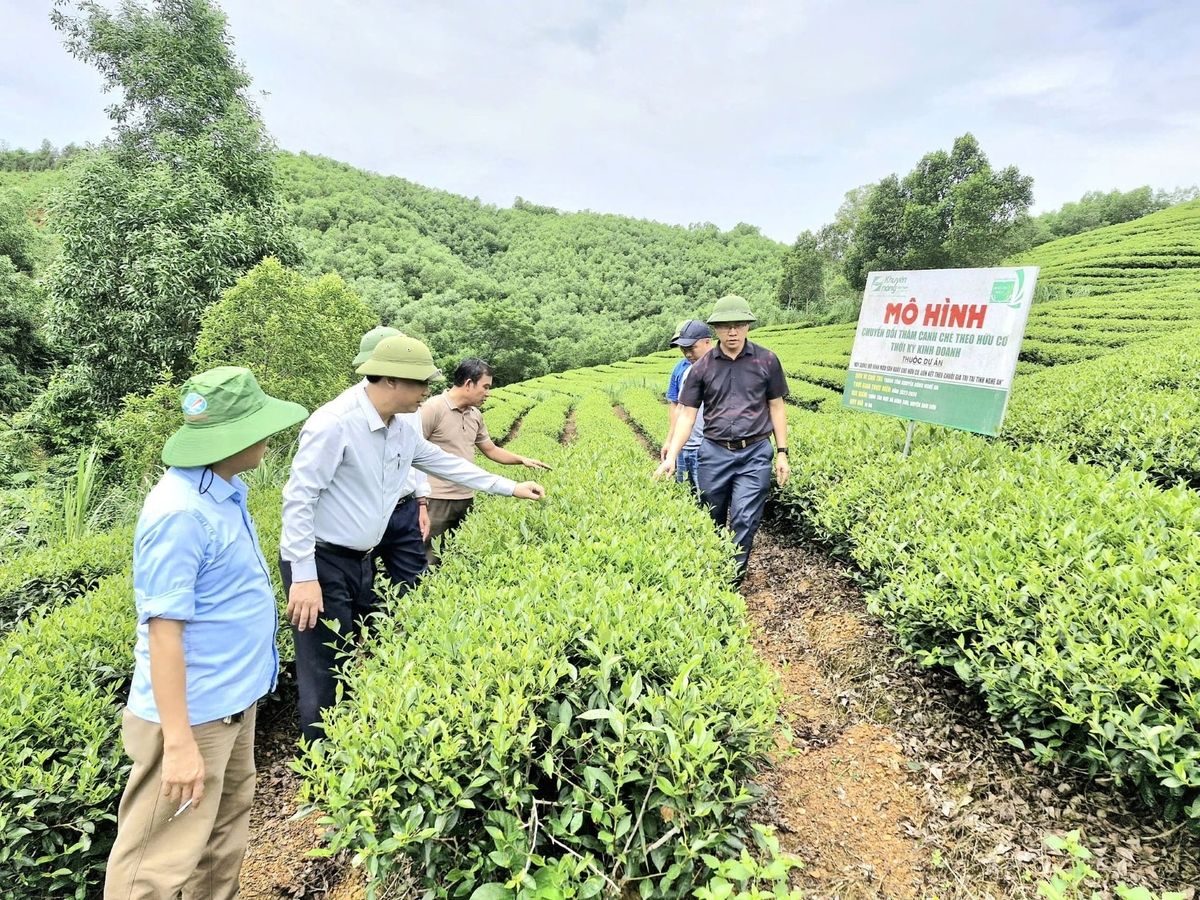
The transition to organic production methods has resulted in nearly a 30% increase in economic efficiency. Previously, driven by production volume demands, many farmers in Nghe An overused chemical fertilizers and pesticides, leading to soil compaction, loss of humus, and a decline in tea bud quality. In Thanh Binh Tho Commune, Anh Son District, farmers like Ms. Bui Thi Tam previously struggled with volatile yields and low selling prices.
The turning point arrived when the Nghe An Agricultural Extension Center launched the 'Building an Organic Tea Production Model Linked to Value Chains' project (2022 - 2024). With technical support and resources, 9 households transitioned to using microbial organic fertilizers and biological products. As a result, the soil regained its tilth, yields reached 13 - 15 tons/ha annually, and products were contracted at prices 15% higher than the market rate.
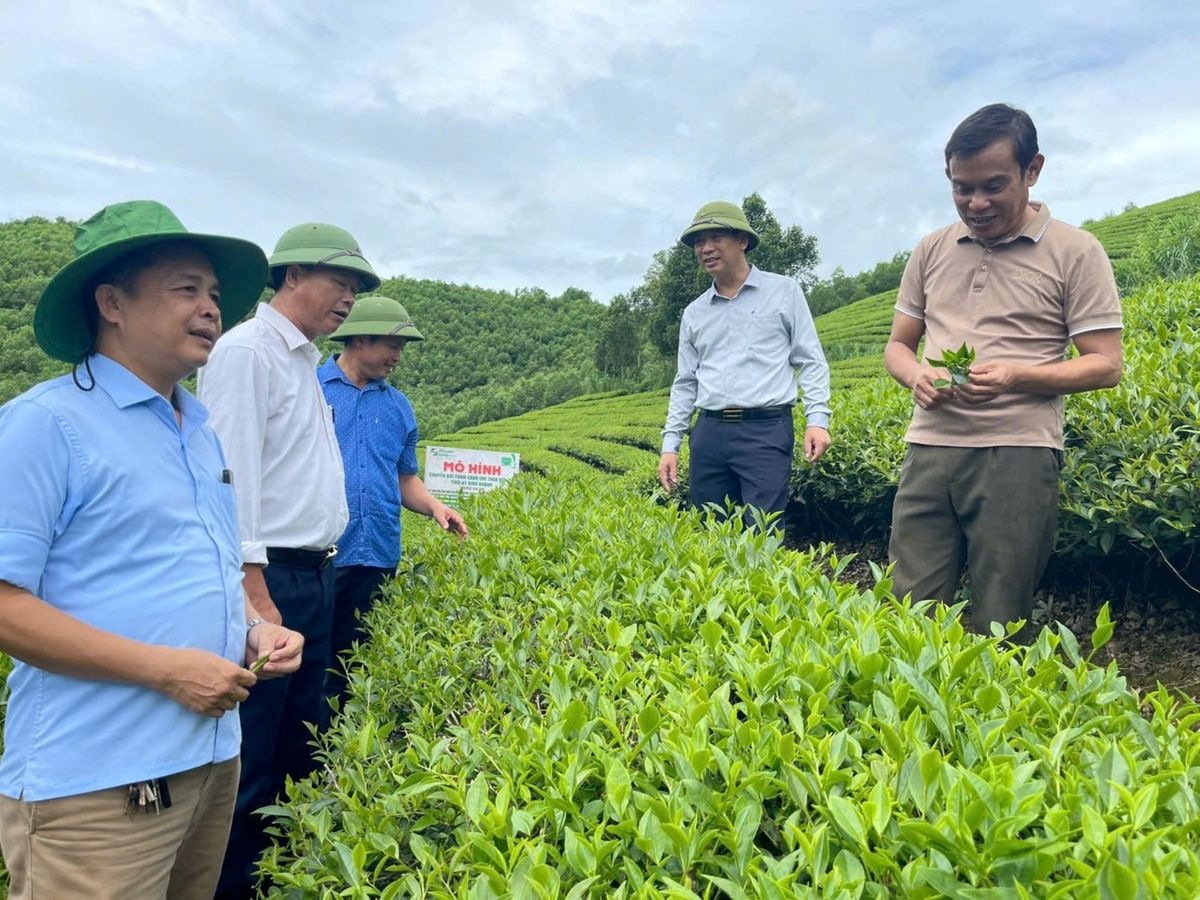
With a target to reach 8,500 hectares of high-tech and organic tea production by 2030, Nghe An province is advancing key agricultural initiatives. Despite challenges such as long transition periods and high initial investment costs, adopting organic processes is considered essential to increase product value, open access to demanding markets, and foster sustainable growth for the local tea industry.
Tag: