Land Consolidation: The Key to Elevating Organic Rice Production in Ha Tinh
Land consolidation in Ha Tinh has created a vital foundation, enabling farmers to apply mechanization and transition to sustainable organic rice production models.
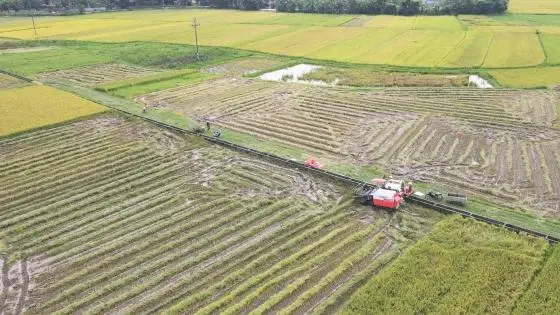
Following the 'revolution' of land consolidation, rice fields dedicated to organic production in Ha Tinh are flourishing and maintaining sustainable productivity.
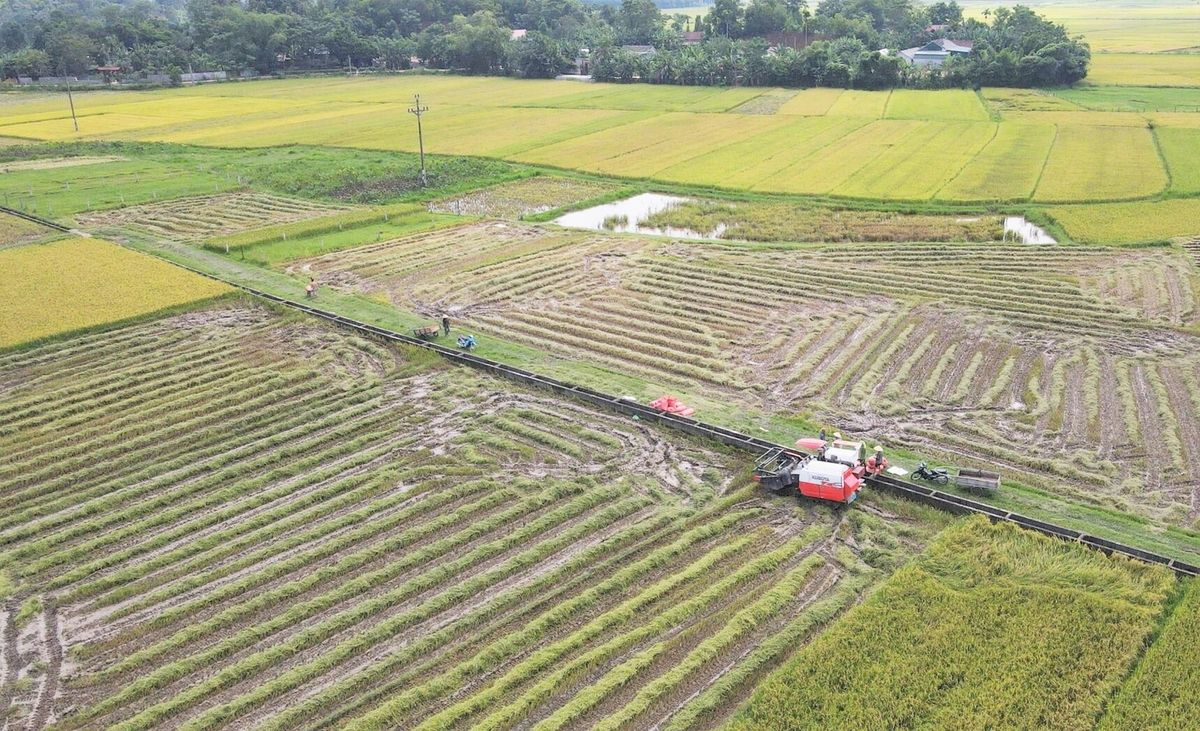
In Ky Khang commune, Ha Tinh province, where agriculture is the primary economic driver, fragmented land previously posed significant challenges to cultivation. Implementing Resolution 51 of 2021 by the Ha Tinh Provincial People's Council, the commune encouraged residents to consolidate land and remove small borders to create large-scale plots. After nearly five years, the locality successfully converted nearly 136 hectares with the participation of 400 households, backed by over 3.1 billion VND in budgetary support.
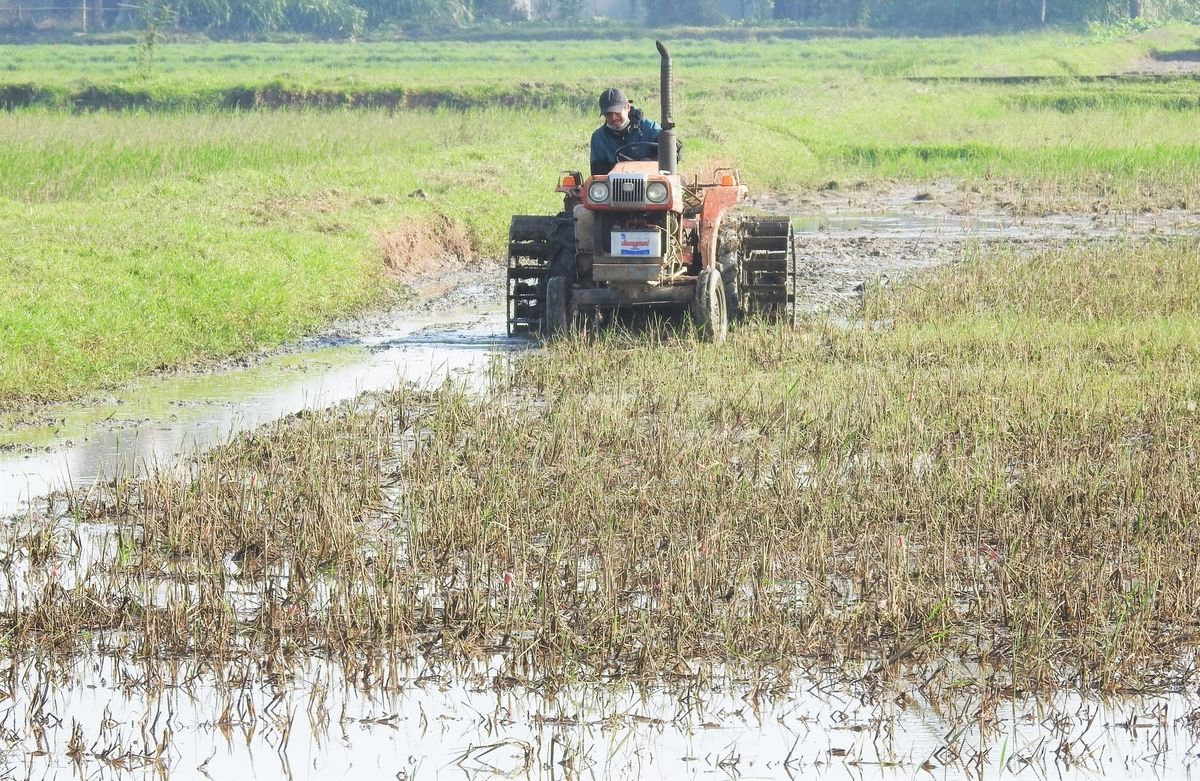
Ms. Dang Thuy Anh, Chairwoman of Ky Khang Commune People's Committee, emphasized that the long-term goal is to build large-scale model fields, apply synchronized production processes, align with local rice branding, and accelerate mechanization. In Tien Thanh village, the average cultivation area has increased to over 1,900 square meters per plot, significantly reducing the number of scattered parcels and allowing machinery to reach the fields easily.
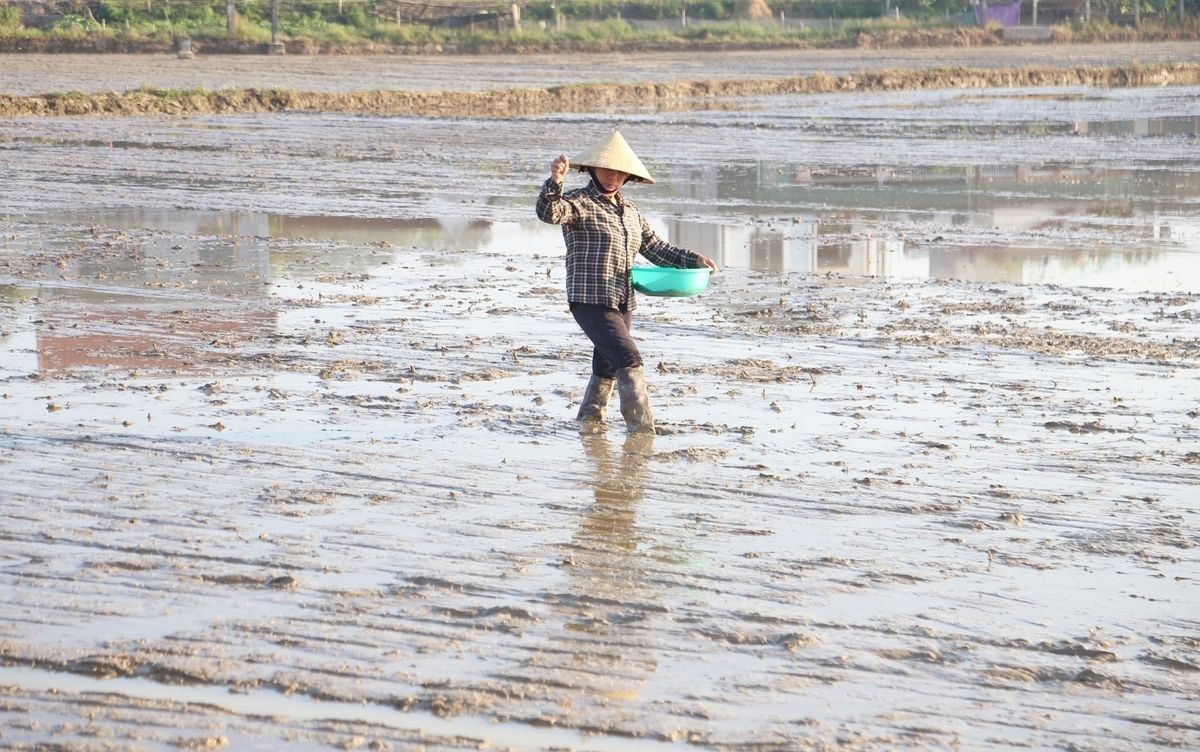
This transformation has not only reduced input costs and labor but also optimized irrigation efficiency and minimized pests. In Ha Phong village, Ky Xuan commune, 65 hectares have been reorganized, including 28 hectares produced organically using the DT39 rice variety from Que Lam Group, yielding a stable 55 quintals per hectare, which is 20-25% higher than conventional farming.
Looking toward 2030, Ky Xuan commune aims to consolidate 305 hectares of land and develop 100 hectares for organic production. This shift is an essential trend to improve product quality, meeting the increasingly stringent market requirements for food safety and the protection of the cultivation environment.
Tag: