4 Nuts That Help Effectively Reduce Fatty Liver
Discover 4 nutritious nuts that help reduce fatty liver, protect liver function, and learn scientific consumption principles for patients.
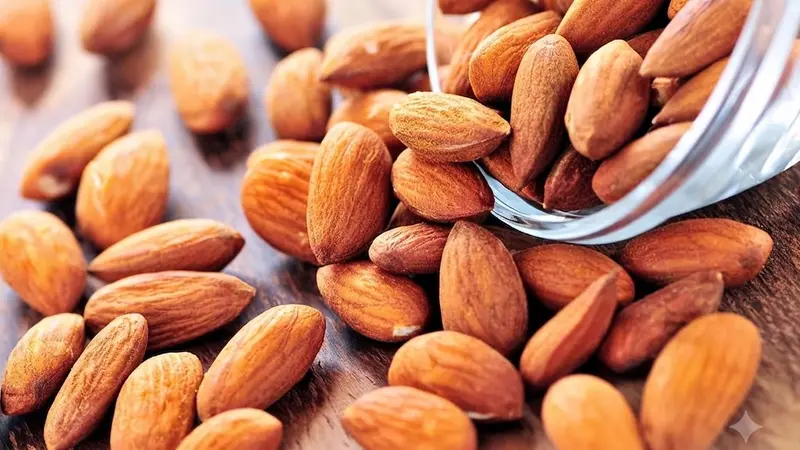
For individuals struggling with fatty liver disease and hepatitis, adjusting dietary habits is a key factor in recovering cellular damage. Replacing animal fats with mono- and polyunsaturated fatty acids from nuts not only helps control fat accumulation but also supports the restoration of the liver's natural metabolic functions.
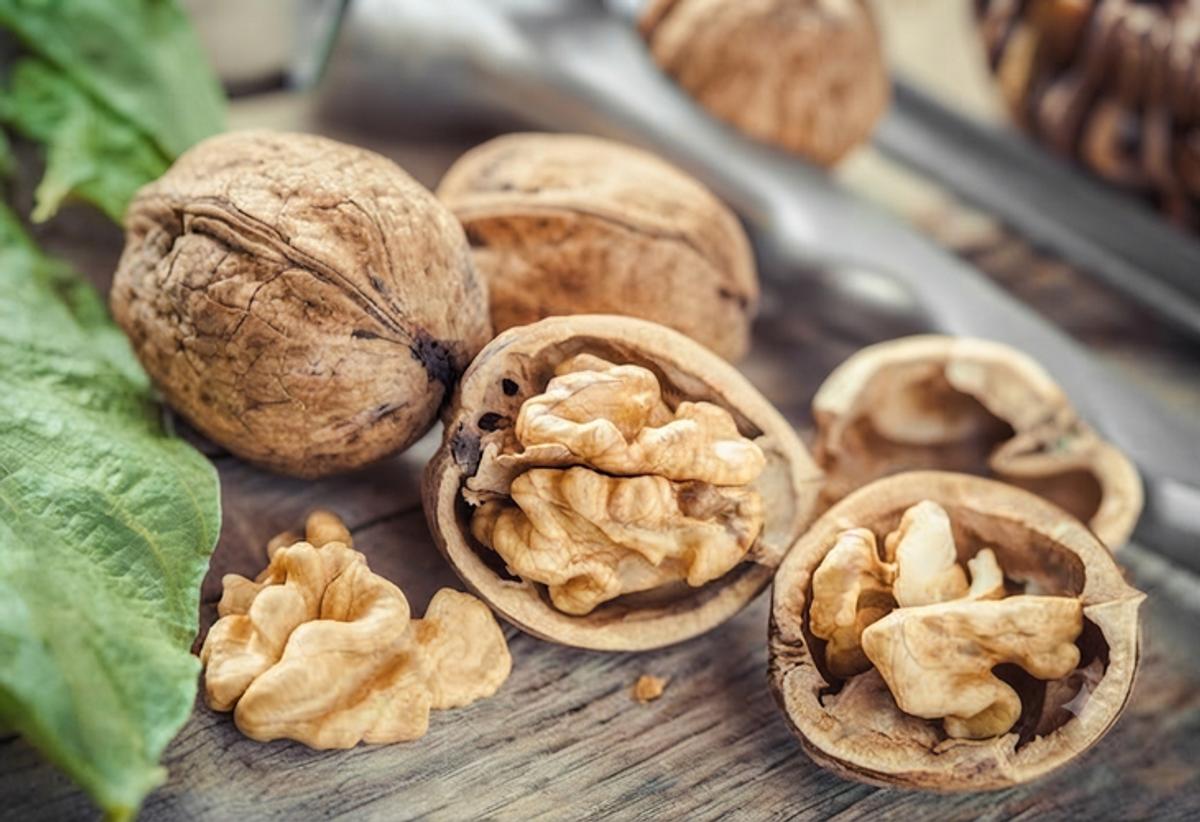
Walnuts are the richest source of omega-3 fatty acids (in the form of ALA). Omega-3 plays a role in activating genes responsible for burning fat and inhibiting the synthesis of new fat in the liver, while high polyphenol content helps prevent progression to non-alcoholic steatohepatitis (NASH). Next are chia seeds, which provide high levels of soluble fiber that forms a gel barrier to inhibit the absorption of bad cholesterol through the intestinal wall. The resistant starch in chia seeds also helps stabilize blood sugar, reducing insulin resistance—the root cause of liver overload.
Almonds are recommended by the American Association for the Study of Liver Diseases (AASLD) due to their abundant vitamin E (alpha-tocopherol) content, which protects liver cell membranes from free radical attacks and prevents lipid peroxidation. Finally, cashews provide a rich supply of omega-9, which stimulates the production of HDL-cholesterol (good cholesterol), helping to transport excess cholesterol back to the liver for breakdown and excretion via bile, thereby reducing pressure on liver cells.
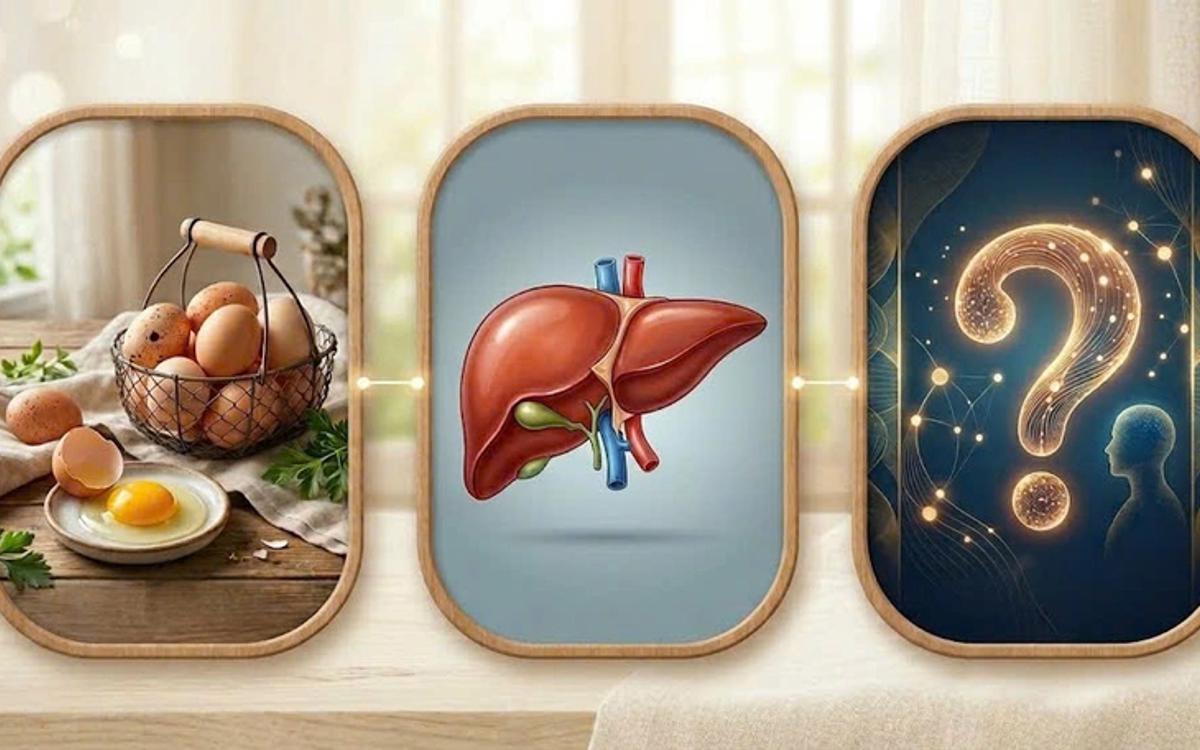
To achieve optimal results, patients should follow three principles: First, prioritize raw, unsalted, and unflavored nuts. Second, control portion sizes to about 30 grams per day to avoid excessive calorie intake. Third, use these nuts as a healthy replacement for unhealthy snacks rather than simply adding them to an existing diet.
Tag: