5 Foods to Optimize Omega-3 Absorption in the Body
Discover 5 foods that support the body's optimal absorption of Omega-3 nutrients, helping to improve cardiovascular health, brain function, and support effective daily nutrition.

Omega-3 fatty acids are essential nutrients that play a critical role in brain health, cardiovascular function, and overall well-being. To maximize the effectiveness of supplements or natural sources of these nutrients, combining them with the right foods is highly recommended.
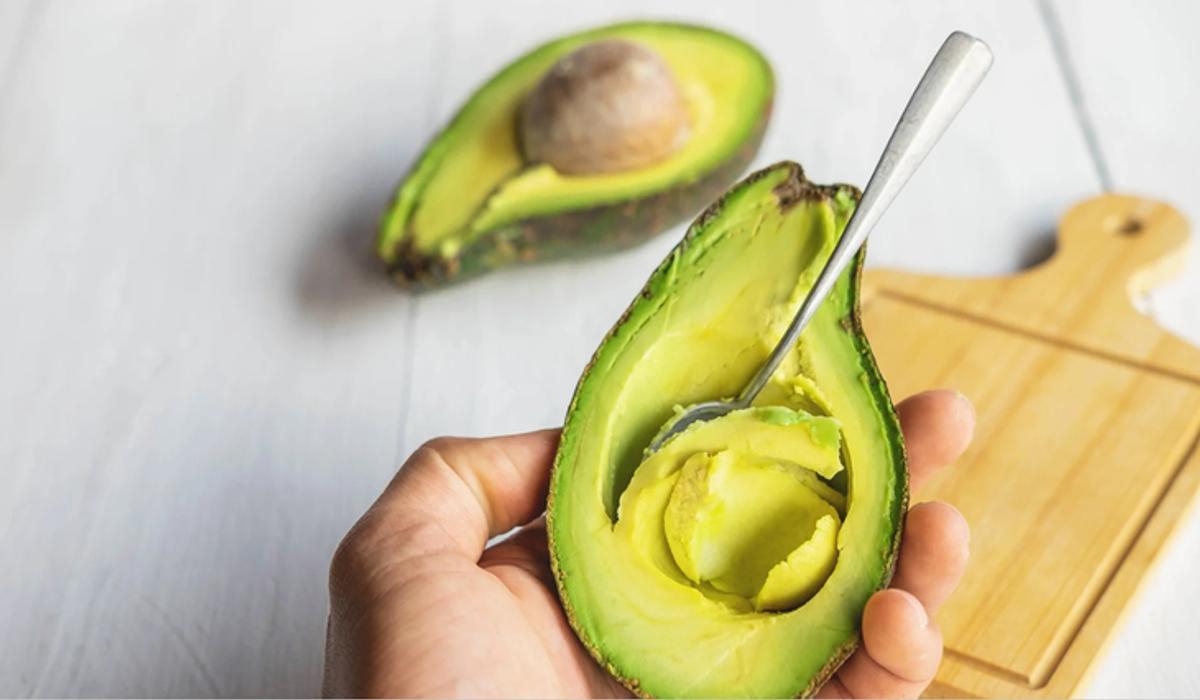
1. Avocado: Rich in monounsaturated fats, avocados not only help reduce inflammation but also enhance the absorption of fat-soluble vitamins and nutrients. Including avocado in your breakfast alongside Omega-3 supplements is an ideal choice.
2. Vegetable oils: Olive oil, flaxseed oil, and soybean oil contain high levels of alpha-linolenic acid (ALA). This plant-based Omega-3 source helps improve the body's absorption of Omega-3 supplements. One tablespoon of flaxseed oil provides approximately 7.26 g of ALA.

3. Walnuts: Recognized by the American Heart Association as heart-healthy, walnuts are rich in ALA (2.57 g per 28 g serving). Furthermore, they provide protein, fiber, magnesium, and essential vitamins such as B6 and E.
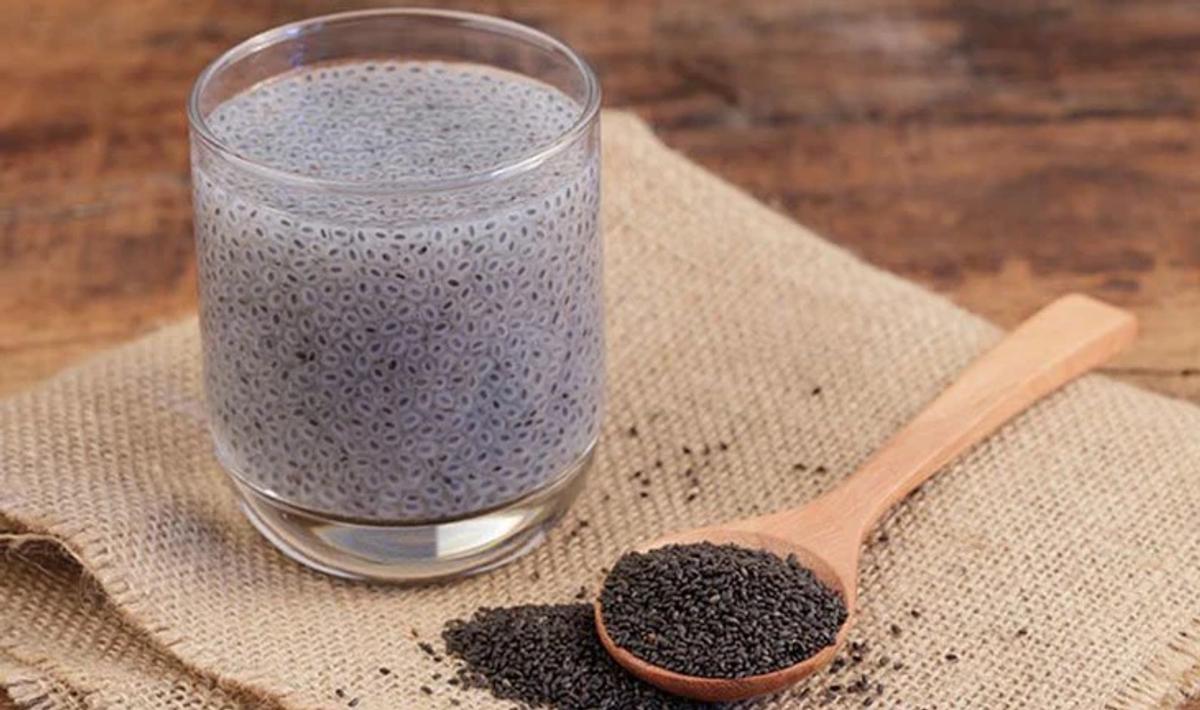
4. Chia seeds: An excellent source of plant-based fats, one ounce of chia seeds (approximately 28 g) contains 5.05 g of ALA. Chia seeds also provide essential minerals like phosphorus, calcium, and potassium for your daily diet.
5. Fatty fish: Oily fish such as salmon, sardines, and mackerel are direct sources of the vital fatty acids EPA and DHA. Consuming fatty fish for dinner not only provides protein, selenium, and magnesium but also allows the body to optimally absorb necessary Omega-3s.
Nutrition experts recommend a daily intake of approximately 250 - 500 mg of EPA and DHA. While supplements can provide support, prioritizing a balanced diet rich in seafood and plant-based sources remains the most sustainable foundation for health.
Tag: