6 Significant Effects on the Body When Increasing Dietary Protein Intake
Understand the physiological changes when increasing protein intake, from appetite control and metabolism to critical considerations for kidney function and digestion.

Increasing protein in your diet is not just about building muscle; it triggers a series of complex biological mechanisms that affect your overall health. Here are 6 key changes to consider when starting a high-protein diet.
1. Protein and satiety mechanisms: Protein directly affects appetite-regulating hormones. Consuming protein helps the body increase secretion of hormones like GLP-1 while reducing ghrelin, the hunger-stimulating hormone. Due to its complex structure, protein requires longer digestion time, thereby maintaining satiety longer than carbohydrates or fats.
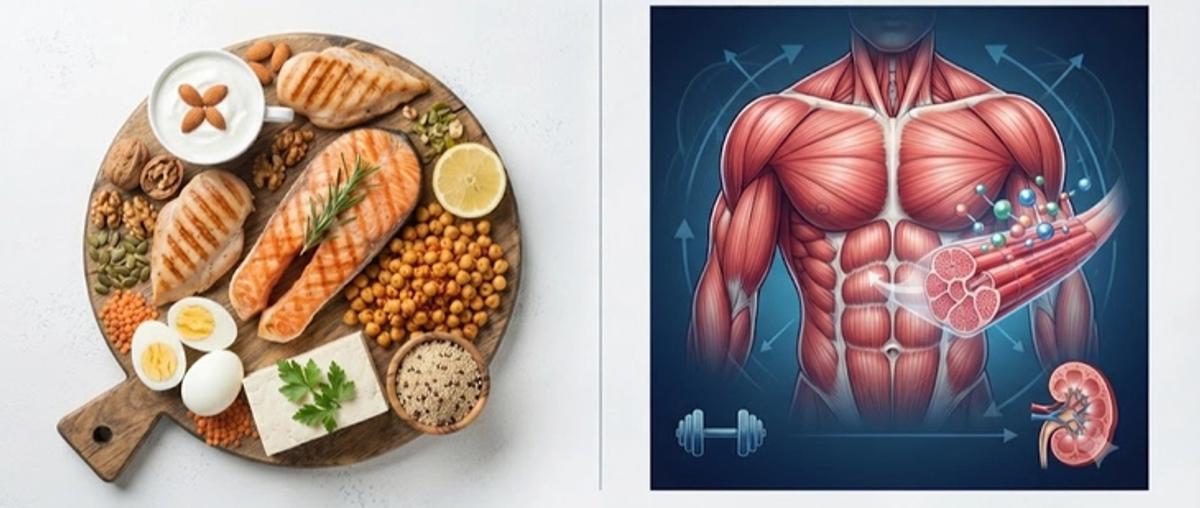
2. Impact on metabolism: Protein has a significantly higher thermic effect (TEF) than other macronutrients, forcing the body to consume more energy to digest and absorb. While metabolic rate may increase initially, maintaining muscle mass remains the key factor for sustaining long-term energy expenditure.
3. Muscle recovery and development: After exercise, muscles become sensitive to amino acids for a period of 24 to 48 hours. Providing sufficient protein during this window supports optimal muscle protein synthesis, reduces soreness, and improves performance for subsequent training sessions.
4. Body composition changes: It is important to note that consuming protein alone is not enough to increase muscle mass. The combination of high-intensity resistance training and quality protein sources is necessary to build strong muscle fibers. This is a process that requires consistency over several months.
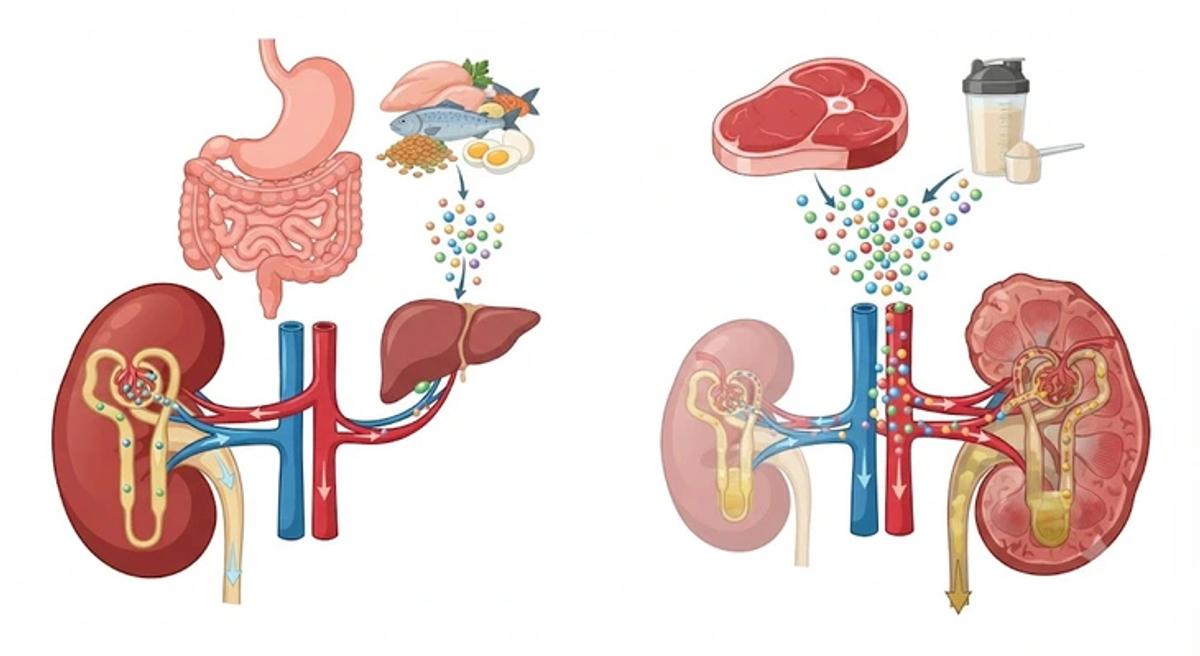
5. Impact on the digestive system: Some individuals may experience constipation when significantly increasing protein intake. The source of protein also plays a crucial role; animal proteins can alter the gut microbiome, directly affecting overall digestive health.

6. Pressure on kidney function: For individuals with normal kidney function, the body can effectively filter and eliminate byproducts such as ammonia. However, for those with existing kidney disease or impairment, excessive protein intake can cause overload. Experts recommend a safe limit for active adults of approximately 0.9 grams per pound of body weight (about 2 g/kg), which should be personalized based on individual health conditions.