7 Common Food Safety Risks for Children in Summer and Prevention Guidelines
Explore 7 common food safety risks for children during summer and learn essential processing and storage tips to protect your child's digestive health.
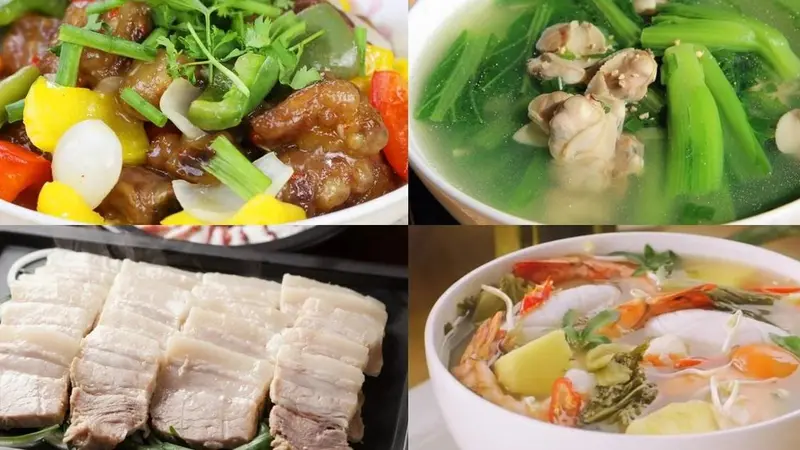
During summer, when children spend more time at home, the frequency of snacking and handling their own food increases significantly. Common risks include improper food storage, as hot weather accelerates the growth of bacteria such as Salmonella, Escherichia coli, and Staphylococcus aureus. Cooked food left at room temperature for more than 2 hours (or over 1 hour if temperatures exceed 32°C) is at high risk of contamination. Furthermore, children preparing food without proper handwashing, cross-contamination between raw and cooked items, and the consumption of street food lacking hygienic standards are primary contributors to acute diarrhea, vomiting, and food poisoning.
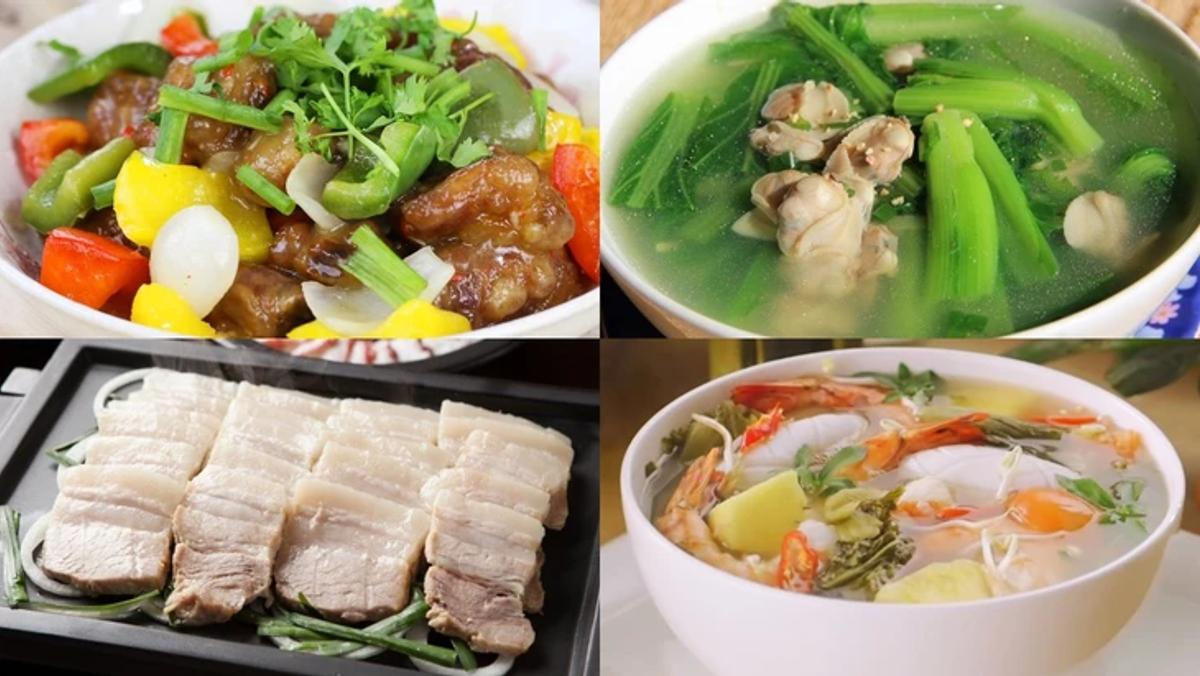
To ensure safety for children during the humid summer, parents must prioritize three areas: selection, storage, and processing. When selecting food, prioritize fresh ingredients with clear origins and avoid items displayed outside under direct sunlight for long periods. Regarding storage, strictly follow the 'cold to cold, hot to hot' principle; maintain refrigeration below 5°C and keep hot food above 60°C. Critically, avoid leaving cooked food at room temperature for too long and always keep raw and cooked foods completely separated in the refrigerator.
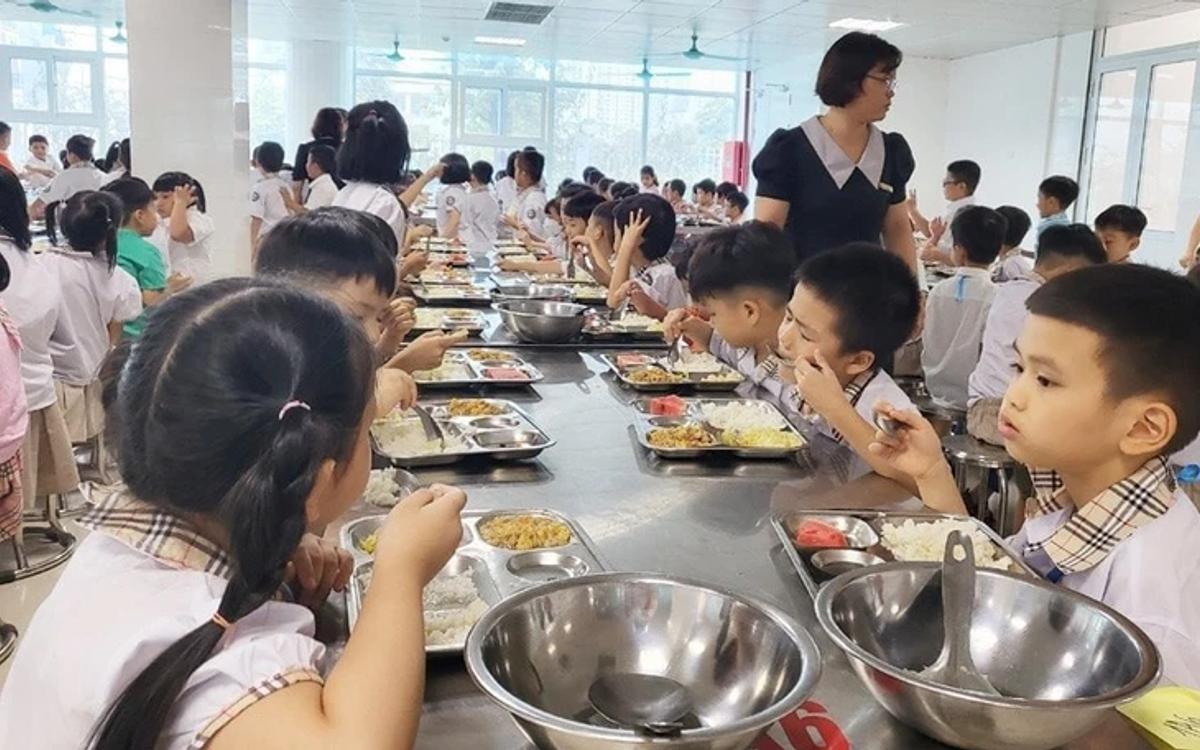
Regarding processing, proper handwashing before cooking and feeding children is the most effective measure to prevent bacterial transmission. Use separate knives and cutting boards for raw and cooked items, and ensure meat, poultry, and eggs are thoroughly cooked. If children exhibit symptoms such as persistent vomiting, diarrhea, severe abdominal pain, or high fever, parents must seek immediate medical attention to assess and treat the condition properly, preventing severe complications from gastrointestinal infections.