Three Major Barriers in the Transition to Organic and Circular Agriculture
Analysis from the Can Tho Sub-Department of Crop Production and Plant Protection on the three main barriers to transitioning to organic, circular agriculture and soil health restoration.
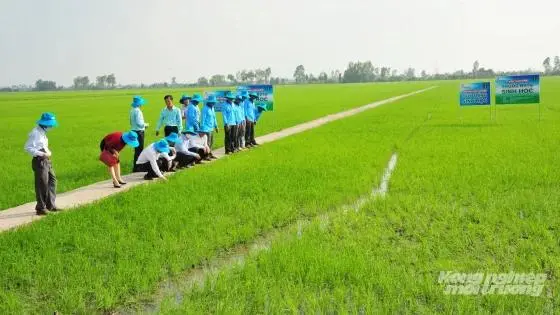
The transition from conventional chemical-based farming to organic and circular agriculture in Can Tho City and the broader Mekong Delta region faces significant challenges. Decades of heavy reliance on chemical fertilizers and pesticides for intensive multi-cropping have severely degraded soil health—the fundamental pillar of sustainable production.
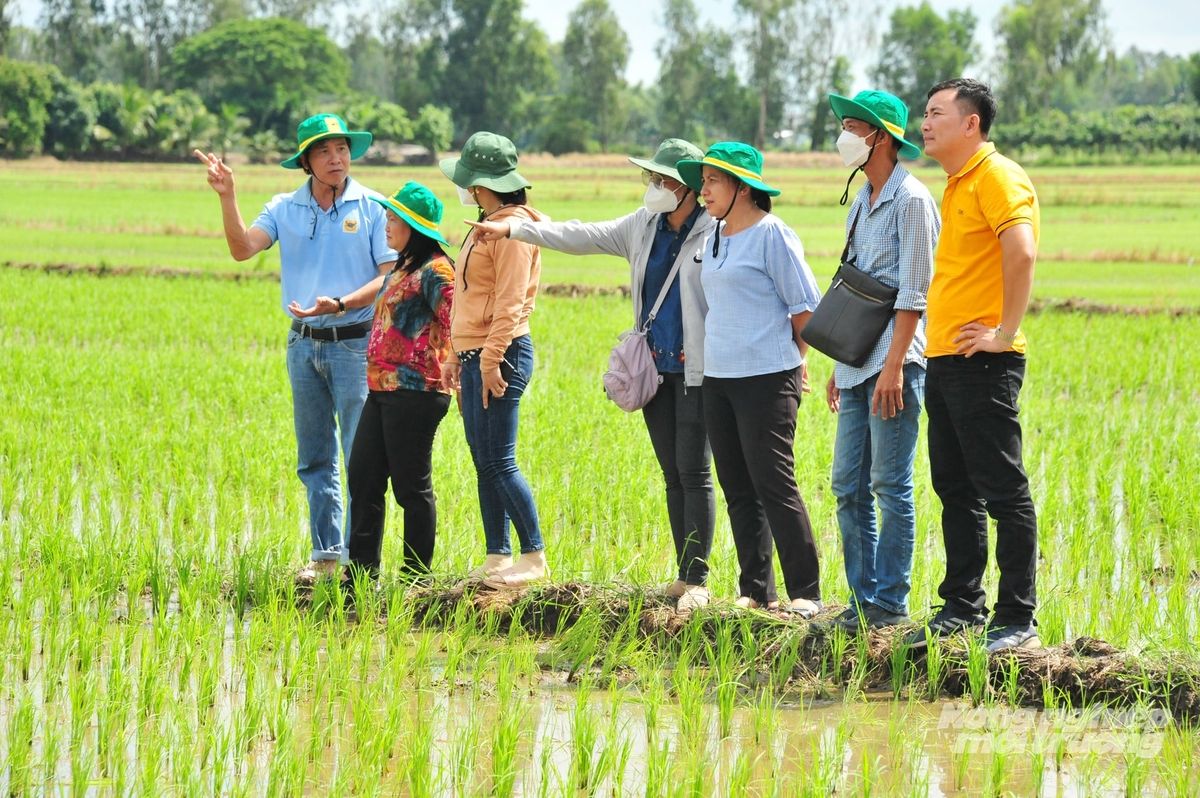
Ms. Nguyen Thanh Thuy, Deputy Head of the Can Tho Sub-Department of Crop Production and Plant Protection, emphasizes that restoring soil health is a long-term strategic priority. Currently, the habit of 'prophylactic spraying' and excessive nitrogen use remains widespread, leading to compacted, nutrient-poor soil and the destruction of beneficial soil microbiota.

To regenerate soil resources, Can Tho's agricultural sector is promoting circular models, such as a closed-loop system where post-harvest rice straw is used for mushroom cultivation, and the resulting waste is composted into organic fertilizer for the fields. However, Ms. Thuy identifies three major barriers: firstly, the short-term mindset of farmers; secondly, concerns over potential yield risks during transition; and thirdly, the lack of infrastructure and stable market demand for organic products.
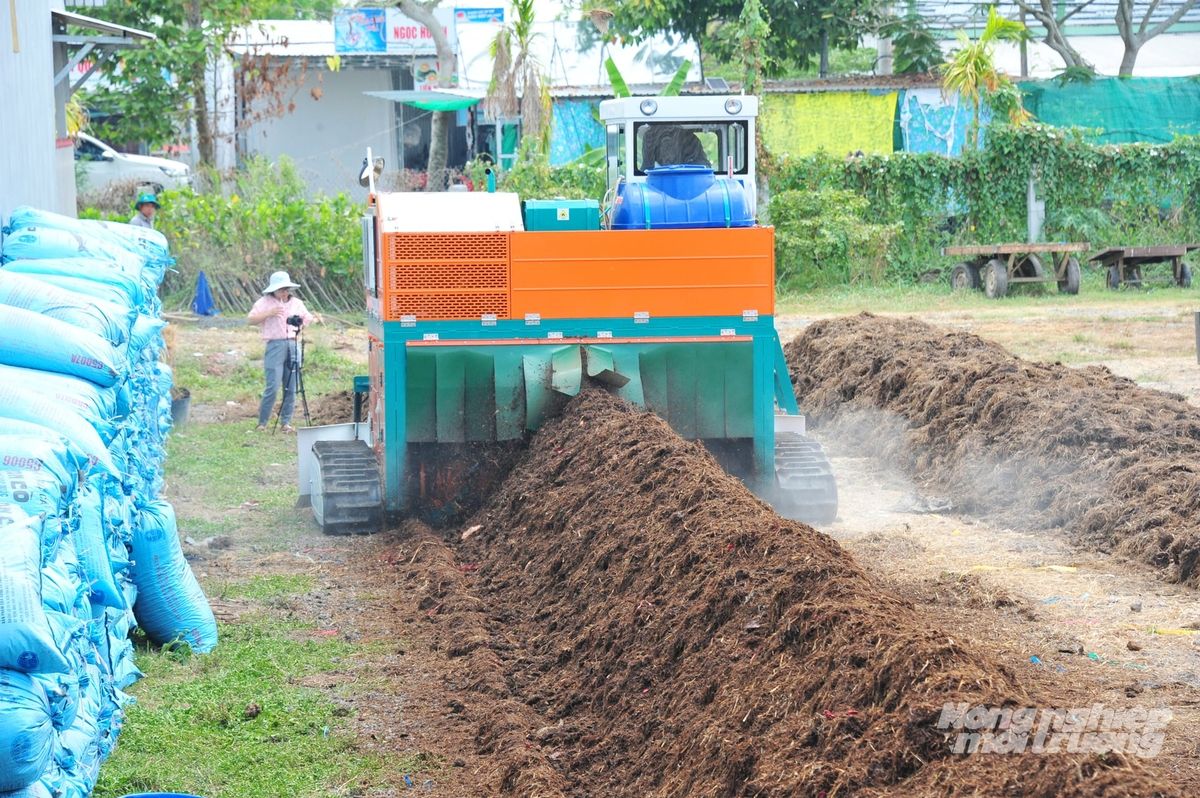
To address these issues, authorities are advancing the 'Development of Biological Pesticides Production and Use' scheme through 2030, with a vision to 2050, alongside the implementation of Integrated Plant Health Management (IPHM). Emphasis is also being placed on establishing planting area codes and traceability to enhance the value of agricultural produce.
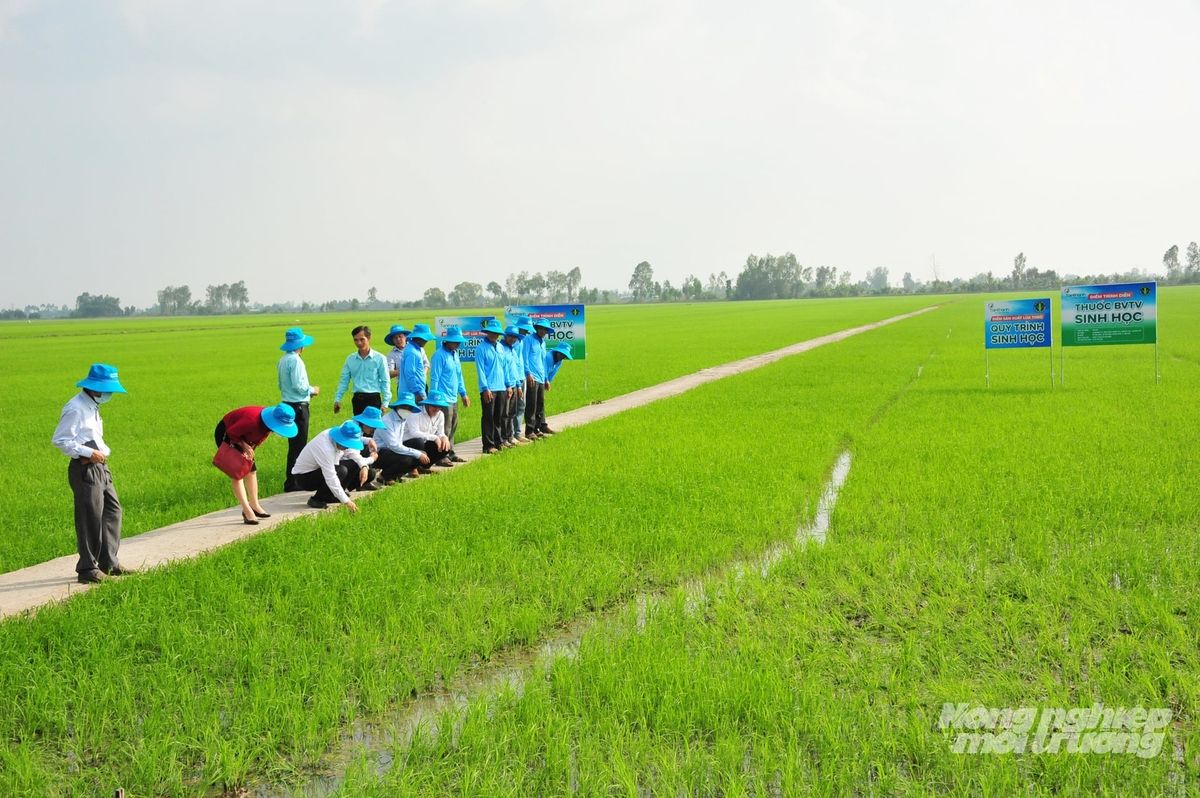
Ms. Nguyen Thanh Thuy affirmed: 'Restoring soil health requires perseverance from management agencies, scientists, businesses, and farmers alike. It is the inevitable path toward a green and environmentally responsible agricultural sector.'
Tag: