Standard Methods for Preserving Banh Chung to Prevent Mold and Ensure Food Safety During Tet
An in-depth guide on how to store Banh Chung, the risks of aflatoxin toxins, and advice from nutrition experts to ensure food safety during the Tet holiday.
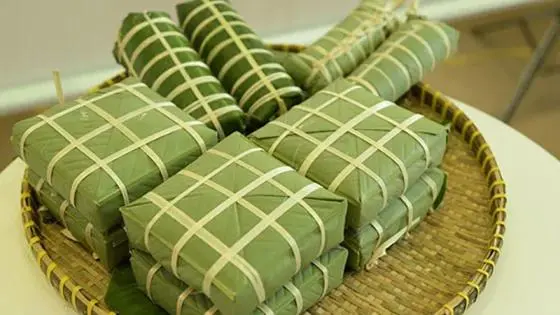
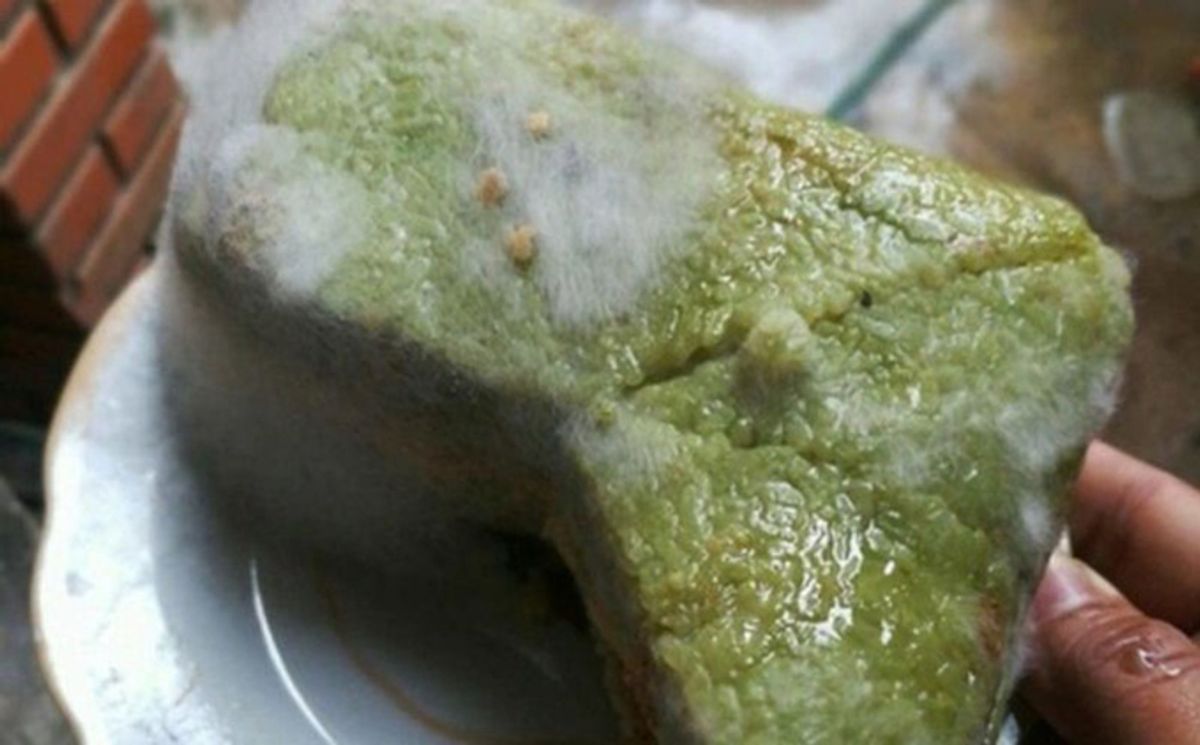
Banh Chung is an essential traditional dish for the Lunar New Year. However, due to the humid spring weather in the North or the warm, humid climate in the South, these cakes are highly susceptible to mold and spoilage. Many families habitually cut off the moldy parts and consume the remainder; however, food safety experts warn that this is dangerous as toxins may have already deeply penetrated the cake.
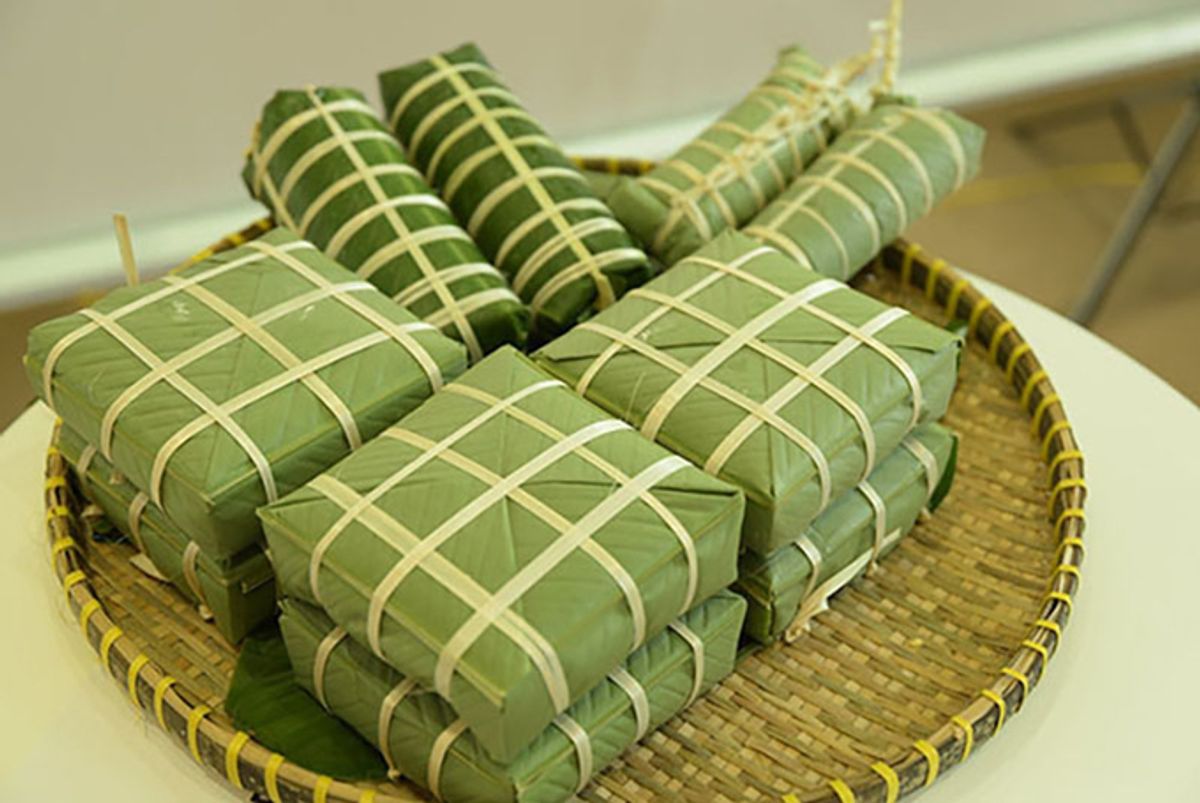
According to Dr. Truong Hong Son, Deputy Secretary-General of the Vietnam Medical Association and Director of the Vietnam Institute of Applied Medicine, Banh Chung is a starch-rich food with high moisture content. Consuming moldy or spoiled cakes can lead to food poisoning, resulting in symptoms such as abdominal pain, diarrhea, and nausea. More importantly, mold produces aflatoxin, a highly dangerous toxin that can cause severe liver damage and increases the risk of liver cancer if accumulated in the body over time.
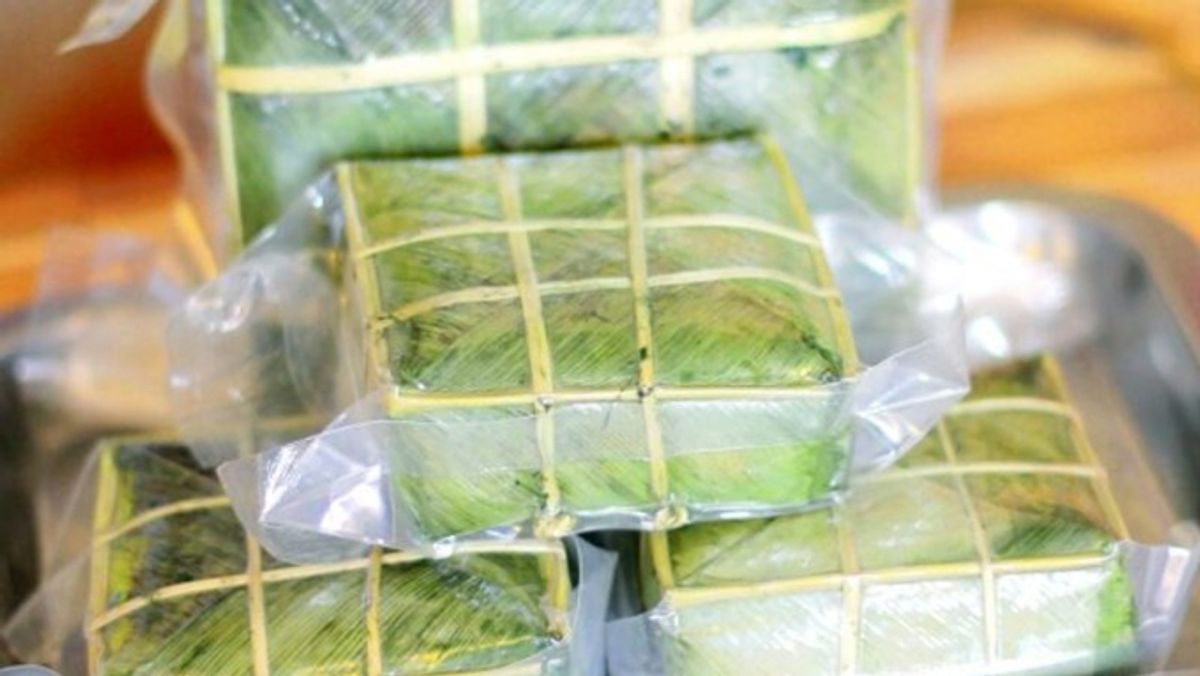
To store Banh Chung safely, the process must begin during preparation. Dong leaves must be cleaned and thoroughly dried before wrapping. After boiling, the cakes should be rinsed with clean water and pressed with heavy objects to remove excess moisture, ensuring the cake becomes firmer and less hospitable to bacteria. Vacuum sealing is an optimal solution, capable of maintaining the cake's quality for 5 to 10 days under normal conditions. However, storage in the refrigerator (5 - 10 degrees Celsius) remains the safest method, extending the shelf life up to 15 - 20 days.
Assoc. Prof. Dr. Nguyen Duy Thinh from the Institute of Biotechnology and Food Technology at Hanoi University of Science and Technology emphasizes that if the Banh Chung shows signs of weeping, sliminess, or off-odors, one should absolutely not attempt to re-boil it for consumption. At this stage, bacteria have compromised the cake's structure and toxins have spread, making disposal the only way to protect the family's health. The Vietnam Food Administration (Ministry of Health) also advises citizens to pay attention to storage environments, recommending that cakes be hung in dry, well-ventilated areas and thoroughly inspected before being consumed.