EFSA confirms health concern from dietary exposure to dioxins and dioxin-like PCBs in Europe
EFSA updates its risk assessment on dioxins and PCBs, establishing a new tolerable weekly intake due to concerns over male reproductive health.
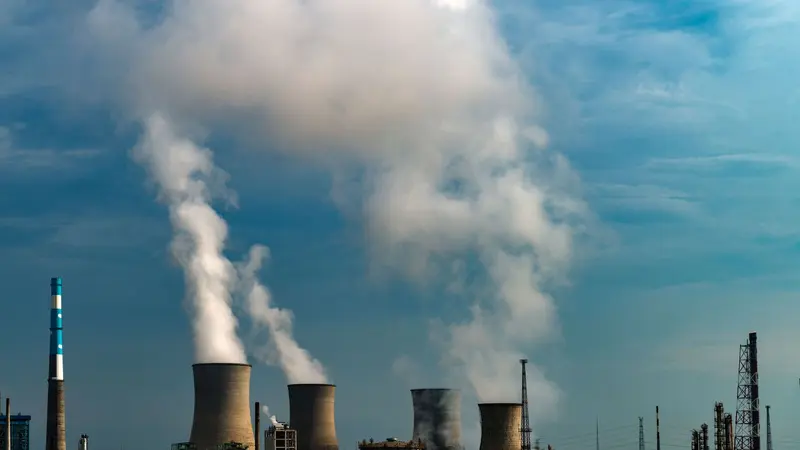
The European Food Safety Authority (EFSA) has released a new scientific opinion confirming that dietary exposure to dioxins and dioxin-like polychlorinated biphenyls (PCBs) continues to raise health concerns for the European population. This opinion updates EFSA’s 2018 assessment following the World Health Organization’s 2022 revision of toxicity equivalency factors (TEFs).

Using the updated 2022 WHO-TEFs, EFSA has established a new tolerable weekly intake (TWI) of 0.6 picograms per kilogram of body weight per week for combined exposure to dioxins and dioxin-like PCBs. This figure is three times lower than the TWI established in 2018. This health-based guidance value is primarily based on developmental effects on male reproduction, supported by evidence from both animal studies and human data.
The assessment revealed that dietary exposure across the European population exceeds the new TWI in all age groups, with the highest exceedances observed in toddlers and children. EFSA also identified a significant concern for women of childbearing age due to potential adverse effects on future male offspring exposed via their mothers.
To mitigate these risks, EFSA recommends strengthening evidence and monitoring efforts, specifically by developing human-relevant toxic equivalency factors, improving toxicokinetic models, and gathering more data on contamination levels in plant-based foods, human milk, and blood. The European Commission and Member States will utilize this scientific advice to review existing maximum levels in EU legislation and refine dietary guidance to ensure high levels of consumer protection.
Tag: