Gen Z and Gen Alpha Consumers Redefine Food Additive Standards
Gen Z and Gen Alpha are driving changes in the food industry, prioritizing natural ingredients, protein, and label transparency over artificial additives.

Buying less, choosing more carefully, and refusing to compromise on artificial additives—young consumers are setting new standards that food brands must meet to avoid being left behind.

In early April, the National Association of Convenience Stores (NACS) released data from Nielsen IQ, outlining a significant shift: Gen Z and Gen Alpha are quietly dismantling decades-old industry assumptions. Experts warn that brands failing to re-evaluate their product formulations and packaging risk obsolescence. Data indicates this demographic snacks less frequently, prefers smaller portions, and considers clean labels and transparency as non-negotiable prerequisites.

Dr. Lior Lewensztain, CEO of That's It, notes that the younger generation wants to understand ingredient lists, prefers minimally processed products, and demands functional benefits like protein or fiber. For Gen Alpha, brands must also pass the rigorous screening of parents.
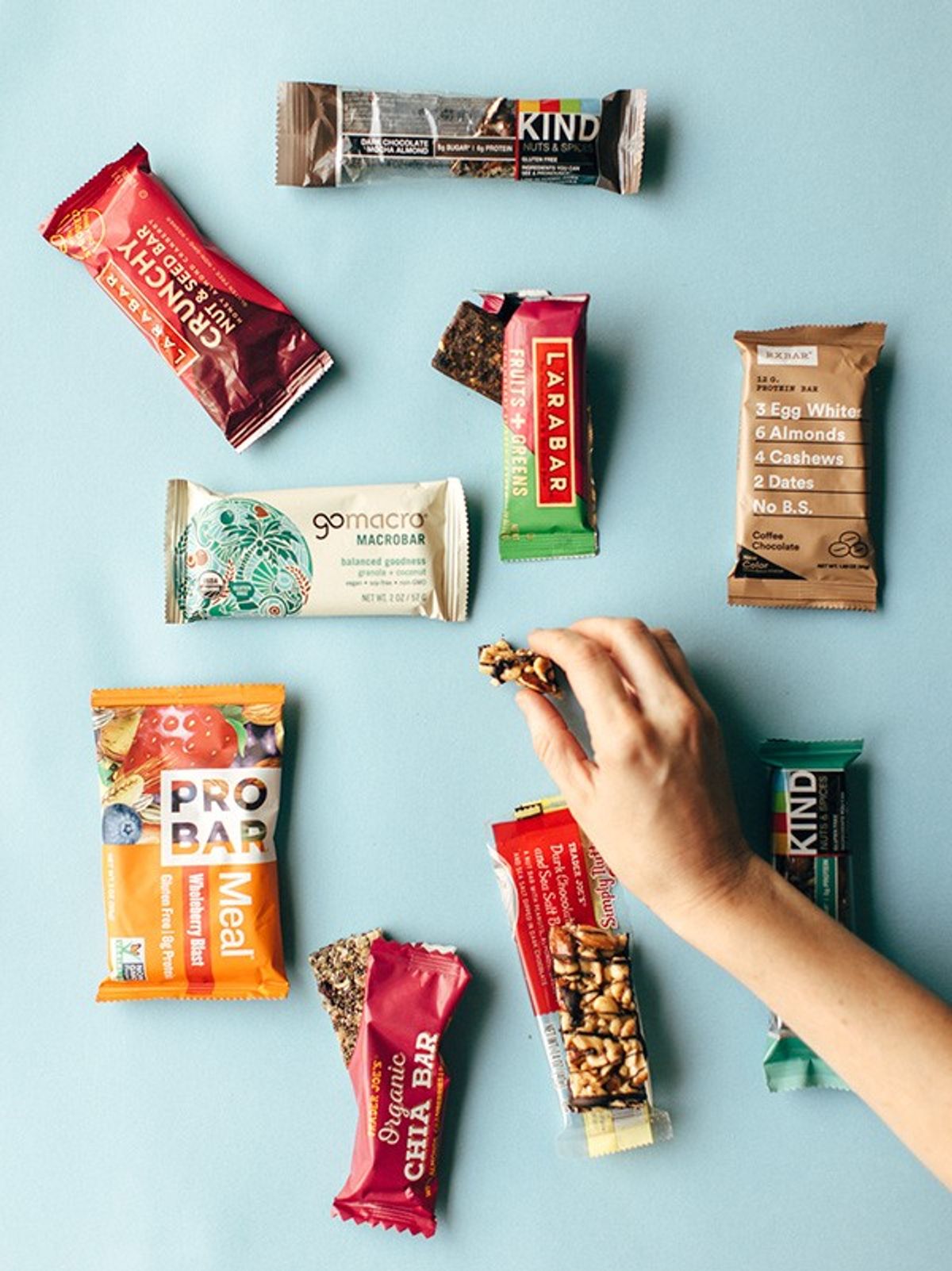
Nielsen IQ data reveals that 35% of Gen Alpha parents prioritize natural ingredients, while 34% actively seek protein-rich products. Nearly one in four consumers avoids industrial processed snacks entirely. Atanas Valev from Trimona Foods observes that modern youth are 'label readers' who demand to know the origins and processing methods of their protein.
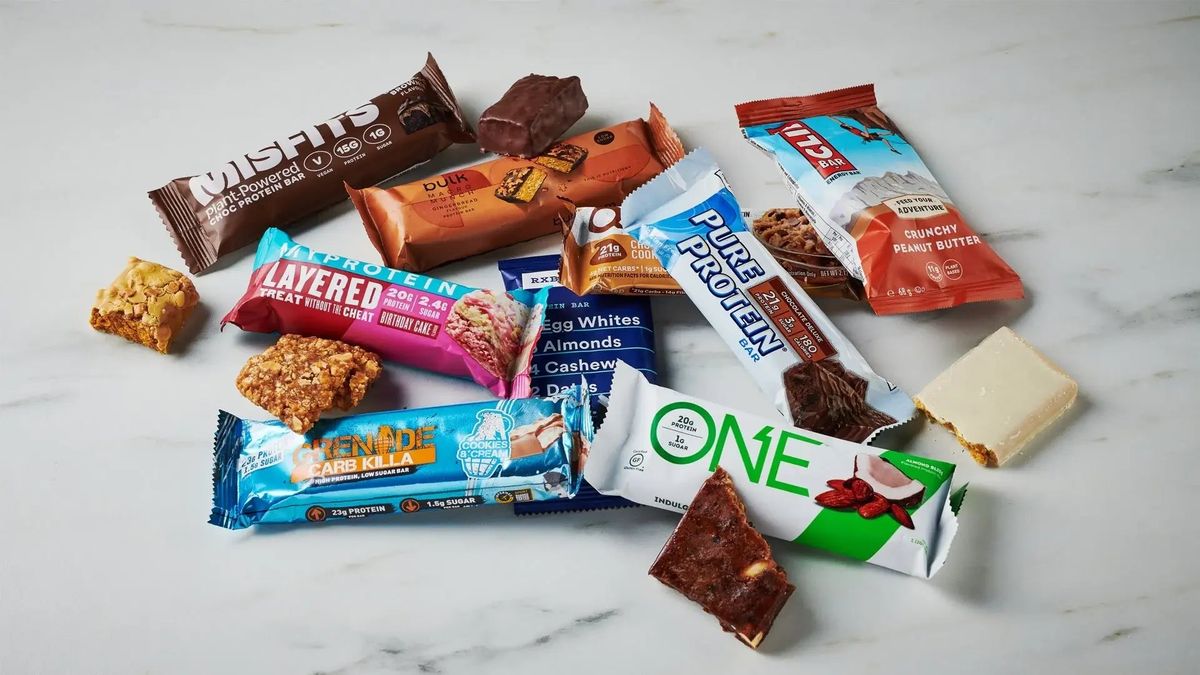

The protein trend is dominant, with 60% of consumers consciously increasing their protein intake. Meanwhile, diverse flavor profiles such as wasabi, matcha, and chai tea are gaining significant traction.
Approximately 25% of consumers actively avoid artificial additives, including food dyes. Regulatory bodies are following suit, with the U.S. Food and Drug Administration (FDA) banning Red No. 3 by 2025. Major corporations like Kraft Heinz and Walmart have committed to removing synthetic dyes from their product lines.
Gen Z goes beyond reading labels by utilizing third-party verification apps. With 30% of survey participants trusting these apps over on-package information, transparency has become a critical success factor for brands.
Gabrielle Wesley from Mars Snacking North America suggests that brands must reach young consumers through influencers and by deeply understanding their actual shopping behaviors. Although they may not be the primary purchasers yet, Gen Z and Alpha are shaping household trends, forcing manufacturers to rethink everything from raw material sourcing to production processes.