Dac So Buddha's Hand growers face challenges in the Tet harvest season
This year's Tet season, Buddha's hand growers in Dac So commune (Hoai Duc, Hanoi) face mixed fortunes due to the severe impact of storms and floods, leading to supply shortages and price volatility.
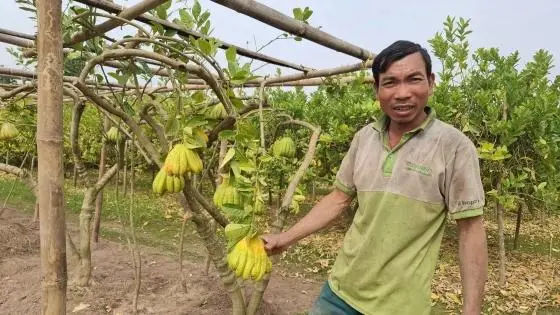
Dac So Commune (Hoai Duc, Hanoi) is renowned for its Buddha's hand cultivation, with over 500 households farming approximately 350 hectares. Growers here not only cultivate locally but have also expanded to neighboring districts such as Dan Phuong, Phuc Tho, Ba Vi, and Vinh Phuc province. This trade has long provided hundreds of billions of VND in annual revenue for the local community.
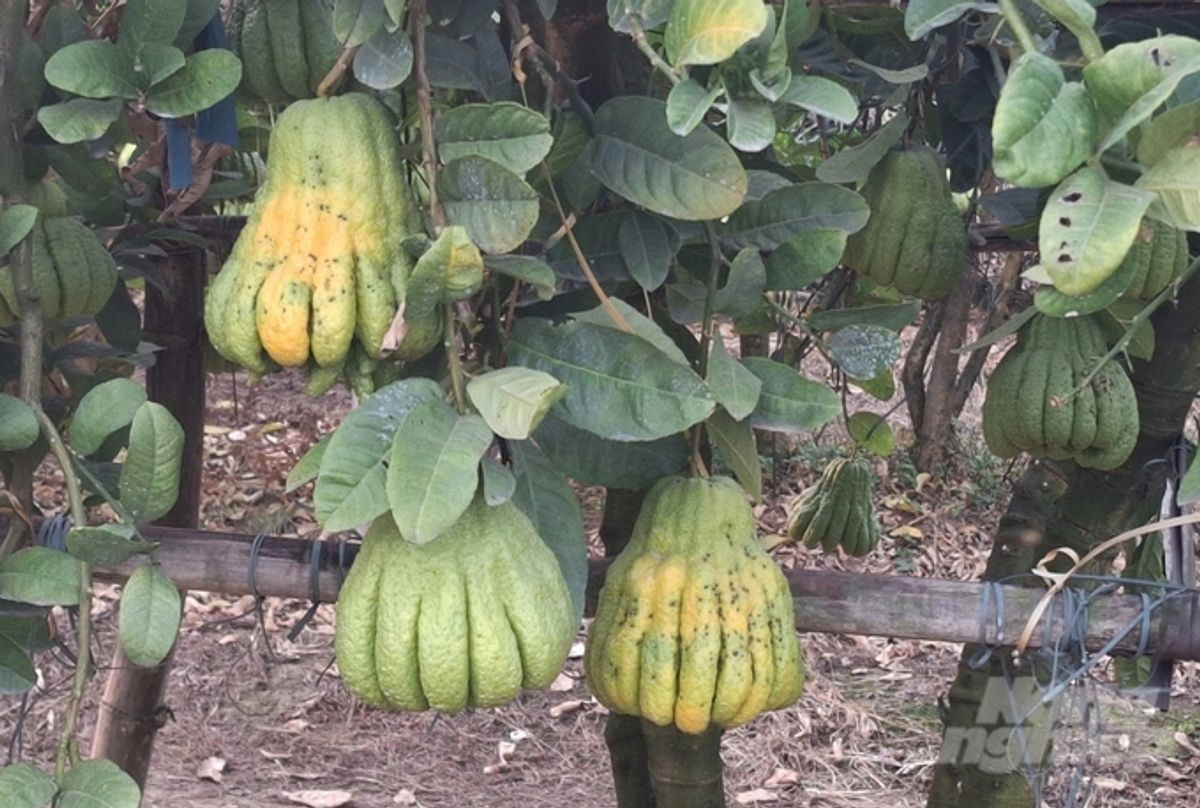
However, this year's pre-Tet season is marked by a somber atmosphere. Mr. Nguyen Van Tuyen, a grower in Son Ha village, reported that most of the cultivation area along the Red River was devastated by Typhoon No. 3. The few gardens that survived are primarily located on higher ground, yet they still incurred significant costs for maintenance due to rust and fungal outbreaks following the floods.
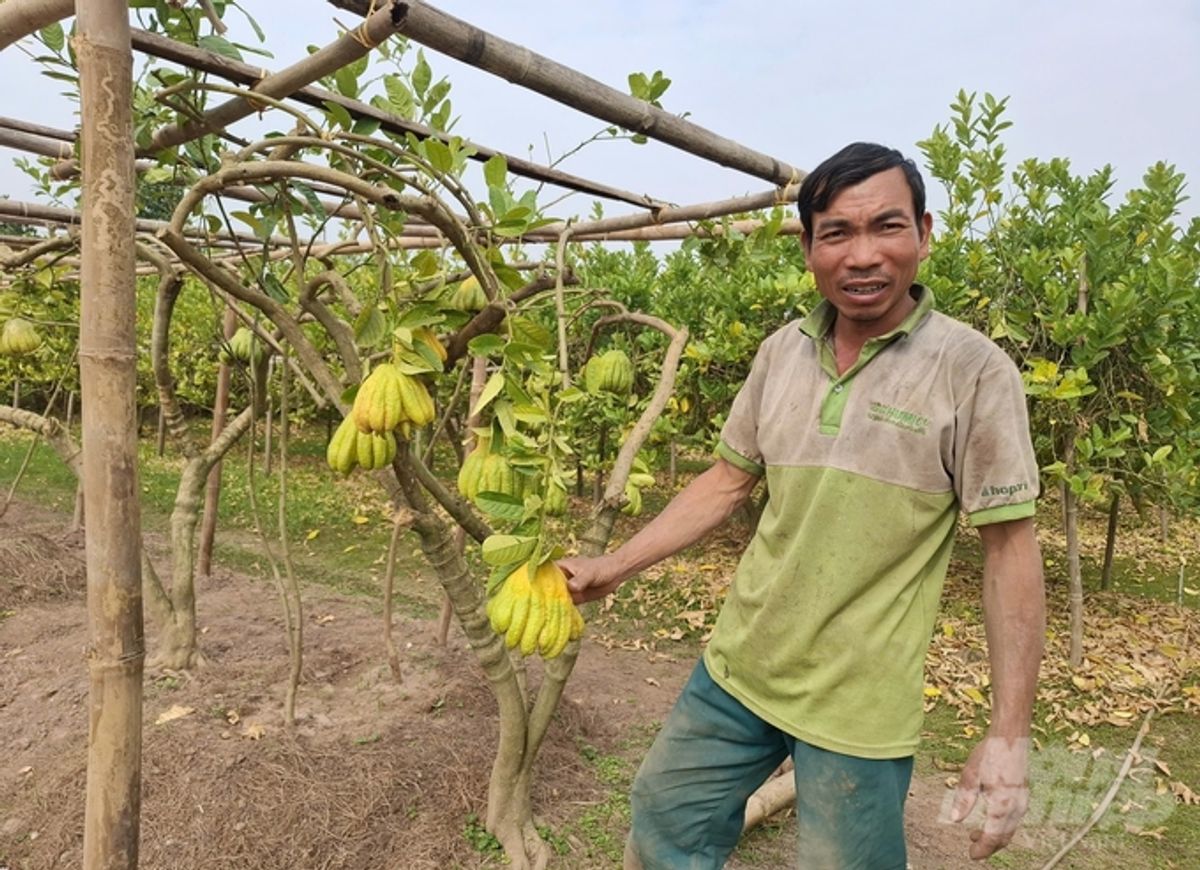
Strong winds not only exhausted the trees but also damaged the first harvest—typically the finest batch—causing scratches and reducing commercial value. Many growers have been forced to sell to dried fruit exporters instead of supplying premium fresh produce for the Tet market as in previous years.
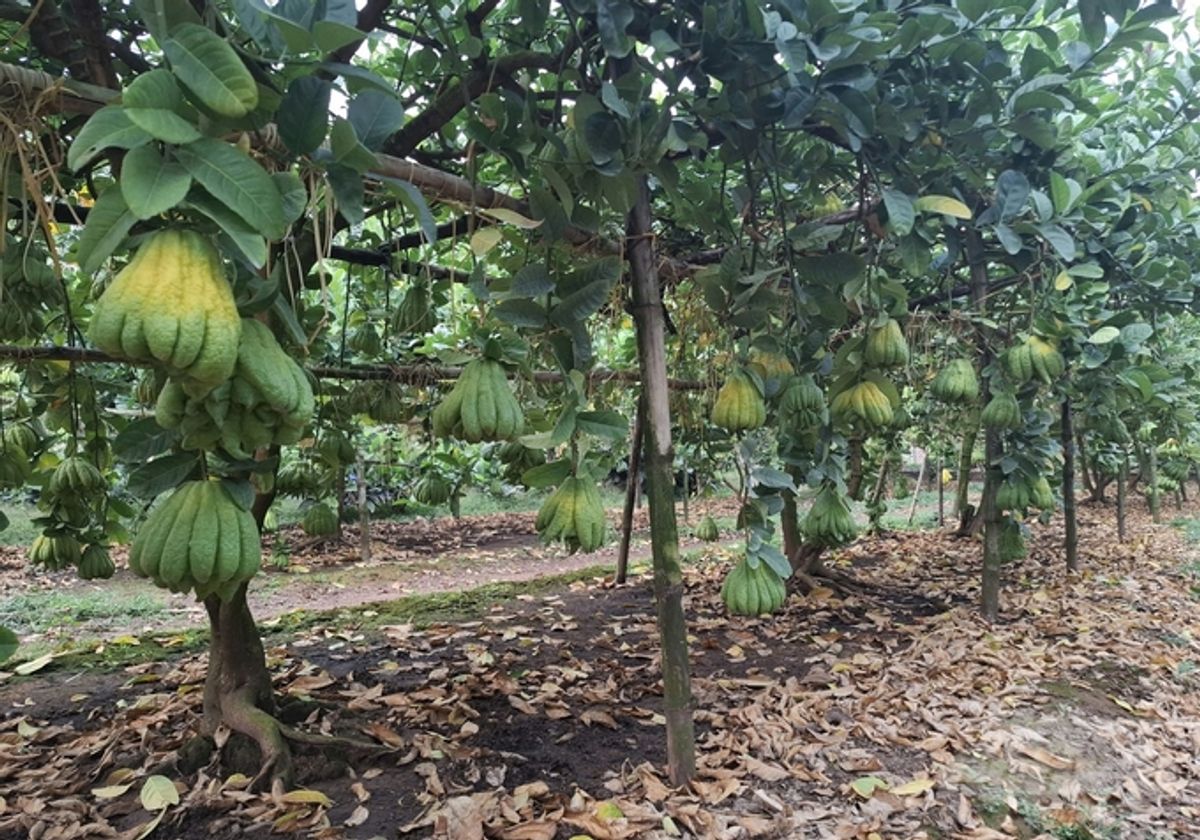
Mr. Vuong Tri Giang, who farms on the alluvial plains of the Red River, shared the cumulative difficulties he faces after 400 of his trees were submerged. Although he managed to recover in time for the Tet season, the root damage severely hindered the trees' ability to nourish the fruit. Furthermore, pressure from traders squeezing prices has significantly narrowed profit margins for farmers.
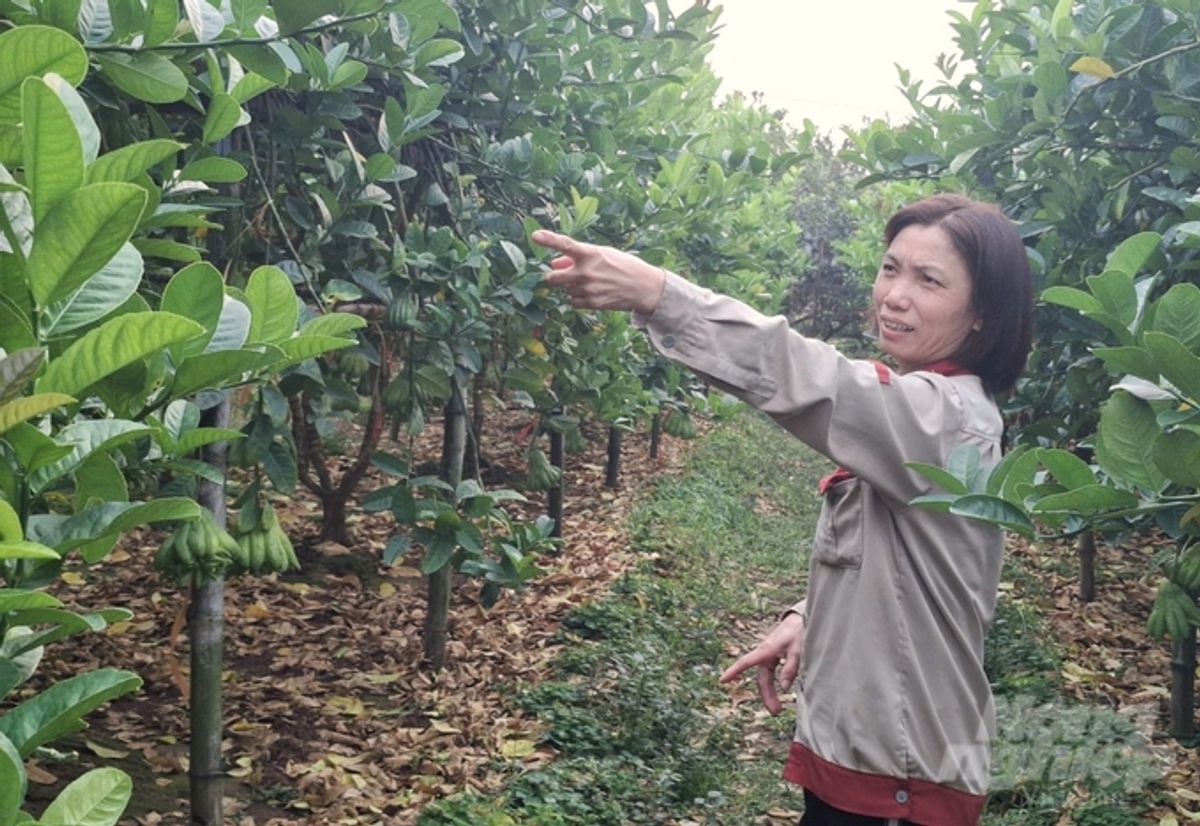
While many households struggle, a few fortunate ones like Ms. Nguyen Thi Hoa have benefited from the supply shortage. Ms. Hoa noted that Buddha's hand is a sensitive plant, preferring sandy loam soil with a pH of 5.5 - 6.5. Rotating cultivation sites every 5-6 years is crucial for maintaining productivity, and those who have successfully preserved their quality orchards are currently selling at prices 10,000 - 20,000 VND higher per fruit compared to previous years.
Tag: