Tightening School Food Safety Management: Protecting Nutritious Student Meals
Ninh Binh province implements synchronized measures from source ingredient control to community oversight to ensure food safety in school lunch programs.
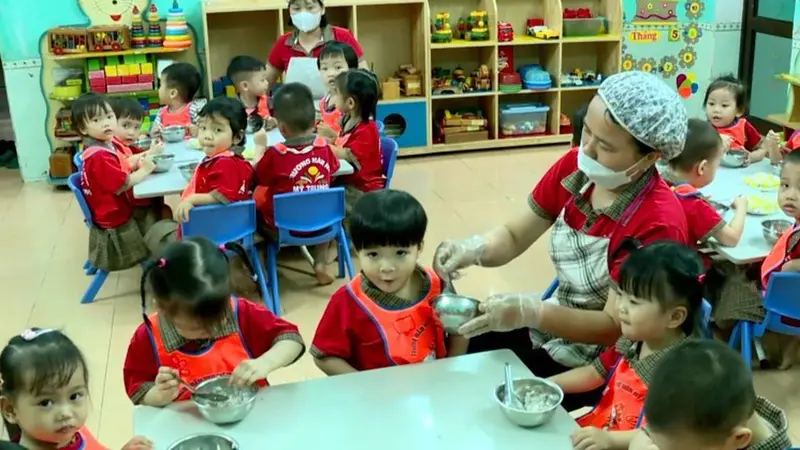
School lunch programs have long been an essential part of educational facilities, meeting the practical needs of the majority of parents. However, managing these programs to ensure every meal served to students is safe and nutritionally adequate remains a significant challenge requiring high responsibility from school administrators and regulatory agencies.
In Ninh Binh province, there are currently 1,082 collective kitchens, with 854 located in schools. Boarding meals are primarily maintained through two methods: schools cooking on-site or contracting with external catering services. Facing concerns regarding substandard food, the local education and health sectors are urgently establishing a closed-loop control process from raw material intake to food preparation.
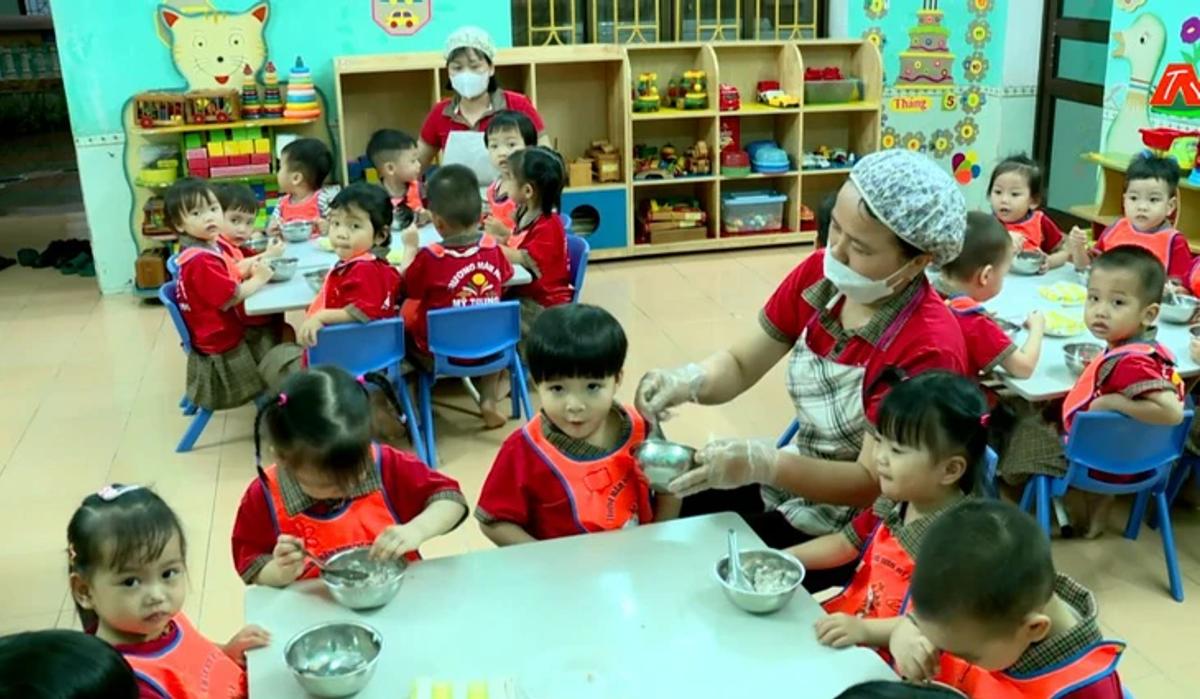
To address these issues fundamentally, schools such as My Trung Preschool and Dong Thanh Primary School have standardized their infrastructure following a strict one-way kitchen model. This system clearly separates areas for receiving, preparation, and cooking, significantly reducing the risk of cross-contamination. Furthermore, daily food sampling is strictly enforced under the supervision of school medical staff.
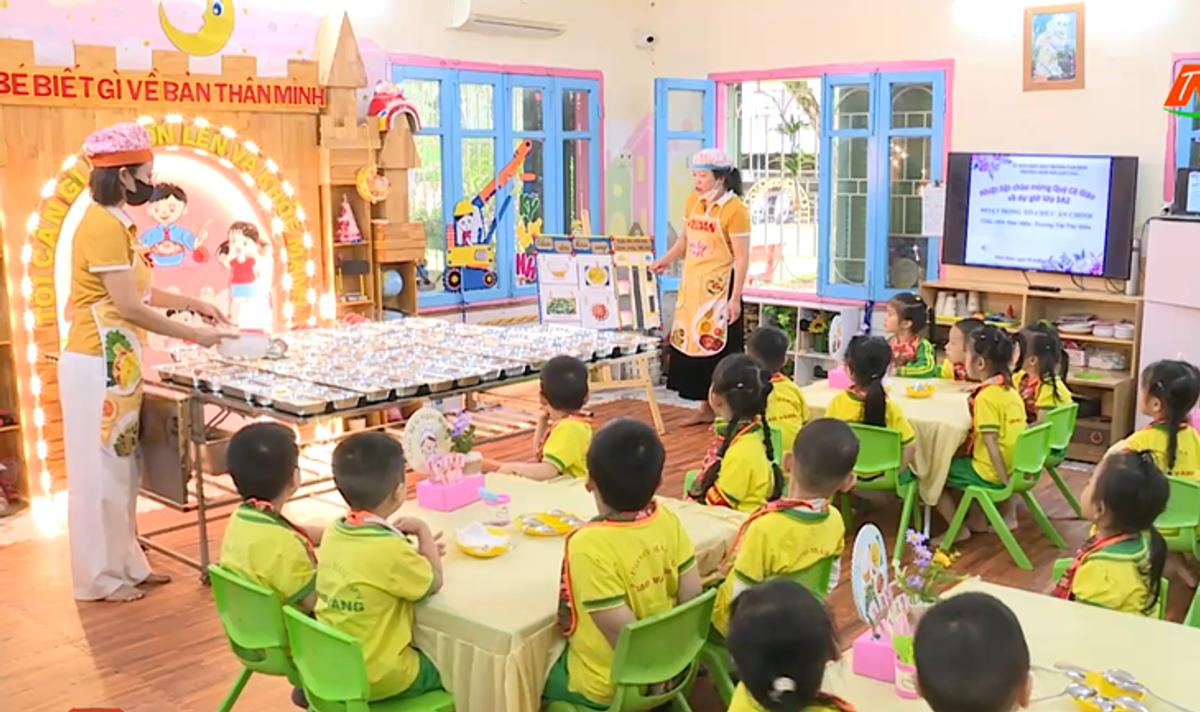
The Ninh Binh Department of Education and Training has issued directives requiring rigorous review of the legal capacity of food suppliers. Economic contracts must now include specific clauses regarding traceability and liability for incidents. Notably, the application of technology, such as QR codes, allows parents to easily track daily portions and nutritional content, fostering transparency and trust between families and schools.
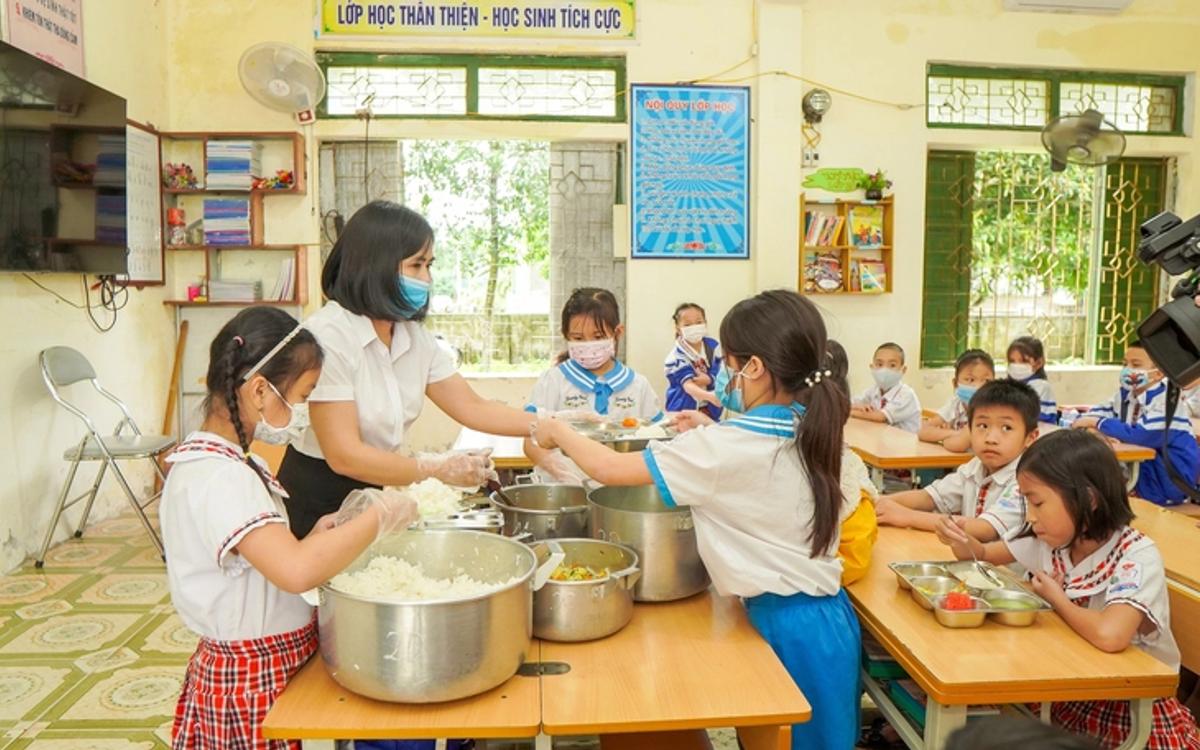
The role of the Parent-Teacher Association has been elevated by enabling direct participation in the food safety oversight committee. Parents now have the right to conduct unannounced inspections at stages including: morning ingredient delivery, processing procedures, and meal distribution. Multi-lateral cooperation between local authorities, schools, and families is the key to forming a robust barrier against the risks of food poisoning.

Tag: