Peak Food Safety Inspection Month: Over 5,700 Violations Identified, Nearly 22.5 Billion VND in Fines
The Vietnam Food Administration reports on the 'Action Month for Food Safety', penalizing thousands of violators and seizing 15 tons of illicit food products.

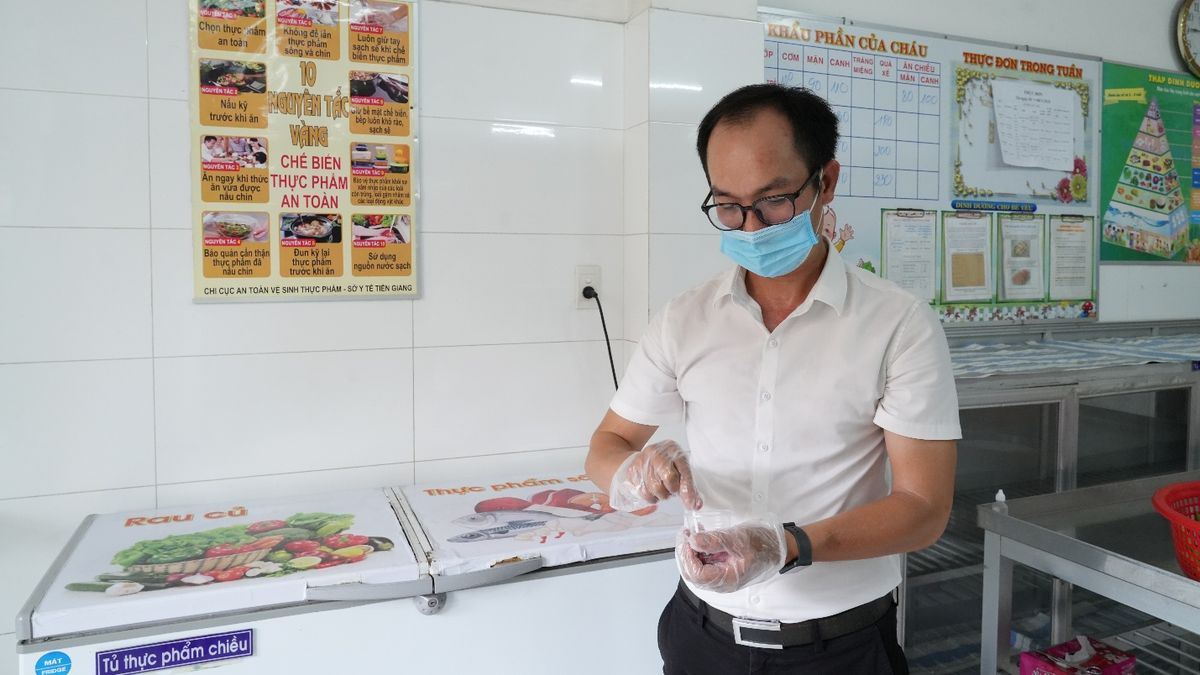
On the afternoon of May 29th, the Vietnam Food Administration (Ministry of Health) released a summary report from 5 interdisciplinary central inspection teams and 34 provinces/cities following the 2026 'Action Month for Food Safety'. During this peak period, 3,392 interdisciplinary and specialized inspection teams were established from provincial to communal levels, focusing on production facilities, food businesses, collective kitchens, and catering services.
Out of 62,052 inspected facilities, 5,749 violated food safety regulations. Authorities issued administrative penalties against 3,687 facilities totaling over 22.4 billion VND. Furthermore, 29 facilities were suspended, 7 had their food safety certification revoked, and 17 serious cases were transferred to investigative agencies for criminal processing.

Approximately 15 tons of illicit food products were seized, including pig skin, sausages, frozen foods, and confectionery. Simultaneously, 110 facilities were forced to destroy violations worth over 3.35 billion VND due to substandard quality or expiration.
Laboratory results indicated that 1.37% of 1,821 samples failed to meet standards. For rapid testing methods, the failure rate was 7.6% (1,330 out of 17,419 samples). Common violations included poor facility hygiene, inadequate processing equipment, and deceptive advertising practices.
The Vietnam Food Administration acknowledges ongoing management challenges, particularly regarding small-scale, frequently shifting businesses. Furthermore, food smuggling and fraudulent advertising on social media remain critical issues. Authorities emphasize the necessity of enhanced inter-agency coordination between health, industry, trade, public security, and customs to strictly control products smuggled across borders.

Looking forward, the administration affirmed its commitment to tightening control over food businesses in digital environments. Priority will be placed on strengthening local inspection capabilities by increasing human resources, rapid testing equipment, and monitoring budgets to ensure the early detection and mitigation of food safety risks.

Tag: