Ho Chi Minh City tightens food traceability regulations to enhance quality control
Ho Chi Minh City implements a plan to tighten food traceability at wholesale markets and retailers to ensure consumer safety for the 2026-2030 period.
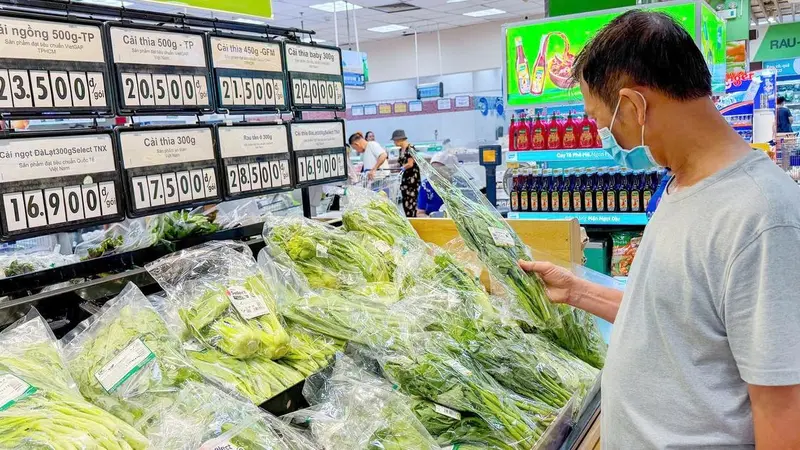
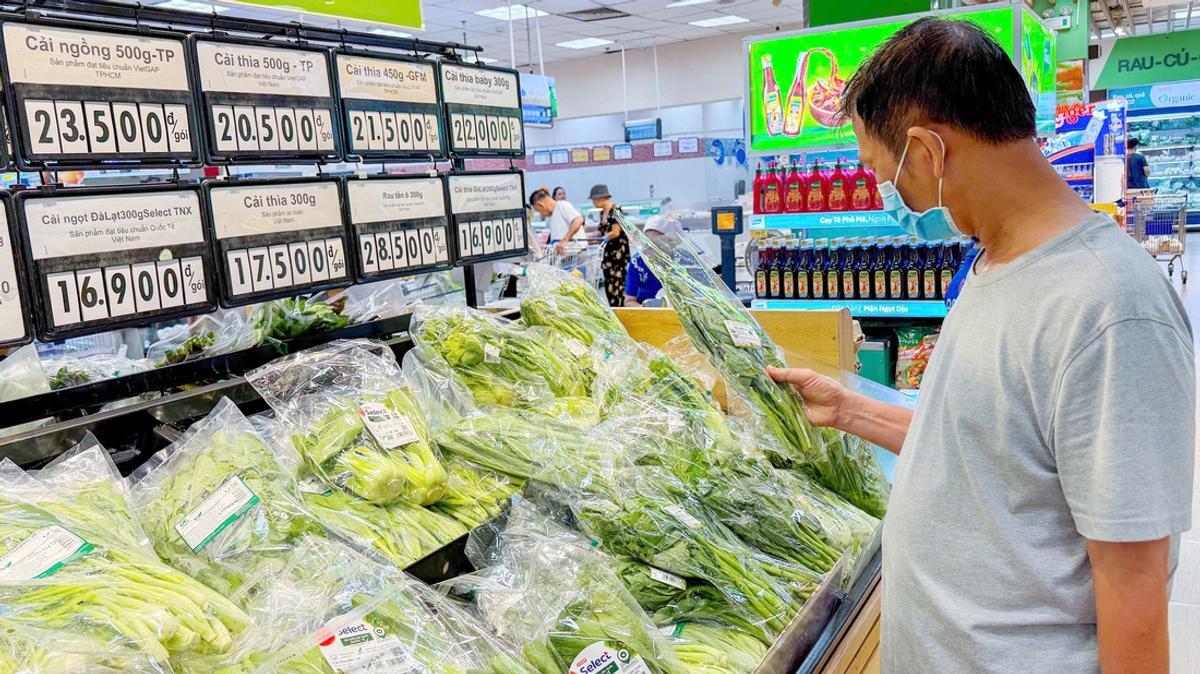
The Ho Chi Minh City People's Committee has issued an official document to tighten food safety control and promote food traceability. Accordingly, supermarkets, convenience stores, and wholesale markets are now required to accept only products with clear origin information that can be traced via technology.
In practice, although Ho Chi Minh City began implementing food traceability years ago, the process remains non-standardized. Most fresh produce at wholesale markets, and some goods at retail outlets, still lack detailed traceability data. Experts suggest that to improve effectiveness, synchronous efforts are needed, ranging from regulatory policy to active consumer involvement.

At major wholesale markets like Hoc Mon and Thu Duc, despite thousands of tons of produce arriving nightly, traceability for fruits and vegetables remains basic. Currently, data relies mostly on manual invoices or voluntary commitments from merchants, complicating recall efforts in the event of food poisoning incidents.
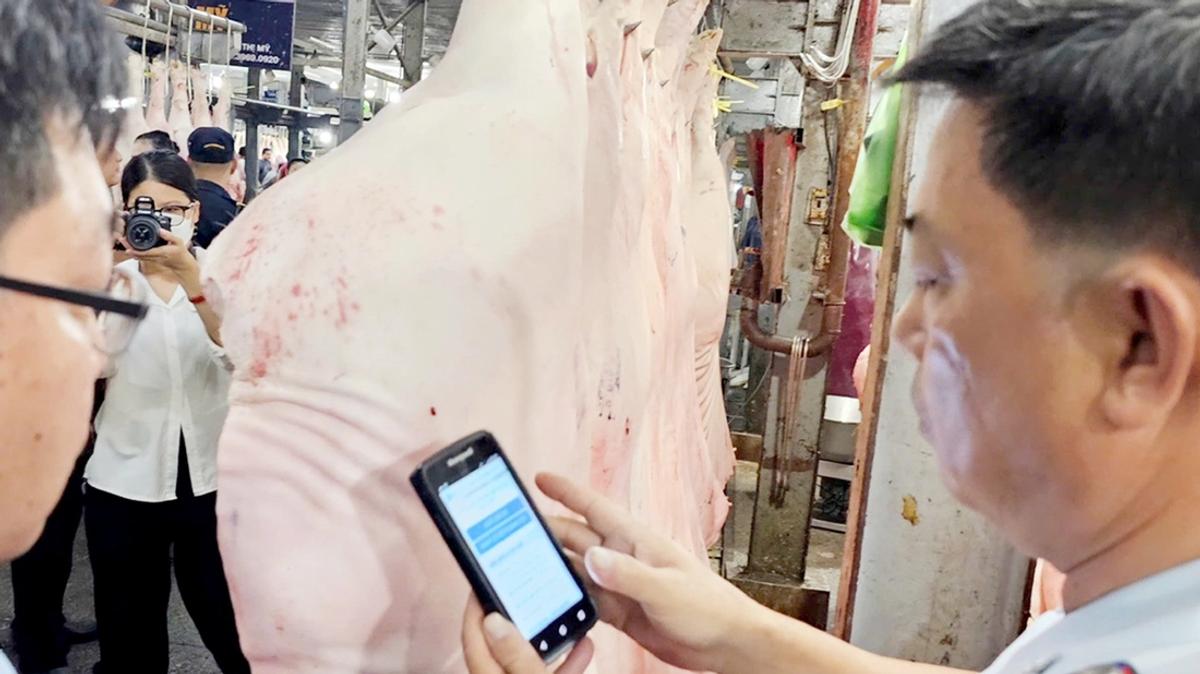
Mr. Nguyen Nguyen Phuong, Deputy Director of the HCMC Department of Industry and Trade, stated that the agency is scaling up the 'Responsibility Green Tick' program for school meals and pork stalls in traditional markets. Simultaneously, a pilot 'Pork Exchange' model is being expanded to enhance supply chain management.

According to the 2026-2030 implementation plan, the HCMC People's Committee has ordered municipal departments to develop a transparent, public traceability database connected to the National Product Traceability Portal. Authorities also emphasized integrating Artificial Intelligence (AI) and Blockchain technology to automate risk analysis and early warnings.

Mr. Dao Ha Trung, Chairman of the HCMC High-Tech Association, stated that technology is merely a tool. True success requires close coordination between veterinary services, market surveillance, and a shift in mindset among farmers and enterprises regarding the reorganization of supply chains.
Tag: