Vietnam Develops New Standards for Safe Vegetables: Aiming for Simplicity and Practicality
The Department of Crop Production and Plant Protection is drafting new national standards to help farmers access safe production processes more easily and feasibly.
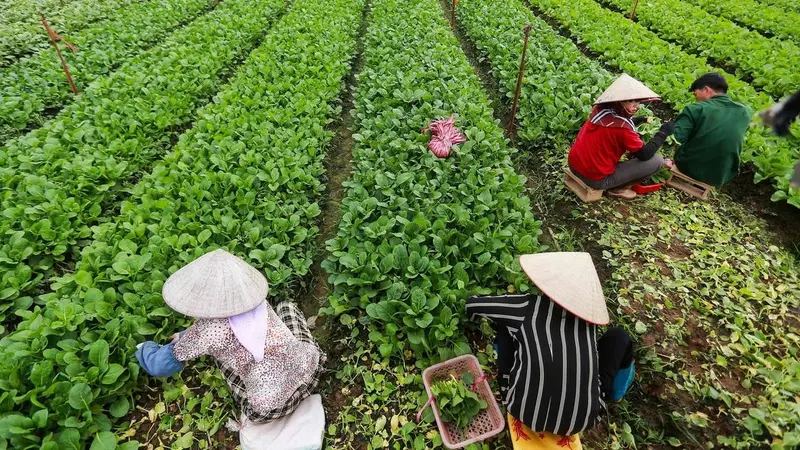
On June 9, the Department of Crop Production and Plant Protection (Ministry of Agriculture and Rural Development), in collaboration with the Fruit and Vegetable Research Institute, held a seminar to collect feedback on the draft National Standard (TCVN) for 'Production and Preliminary Processing Procedures for Safe Vegetables'.

According to the Department of Crop Production and Plant Protection, although VietGAP has established a foundation for safe agriculture over the past 15 years, the actual adoption rate remains limited. By 2025, Vietnam is expected to have 1.15 million hectares of vegetable cultivation, but the area certified under VietGAP accounts for only 0.5-0.6%.

Mr. Nguyen Quy Duong, Deputy Director of the Department of Crop Production and Plant Protection, emphasized that the gap between strict technical requirements and the production capacity of small-scale farmers is the main barrier. The new draft TCVN is expected to form a unified, clear, and more applicable set of technical guidelines for cooperatives.
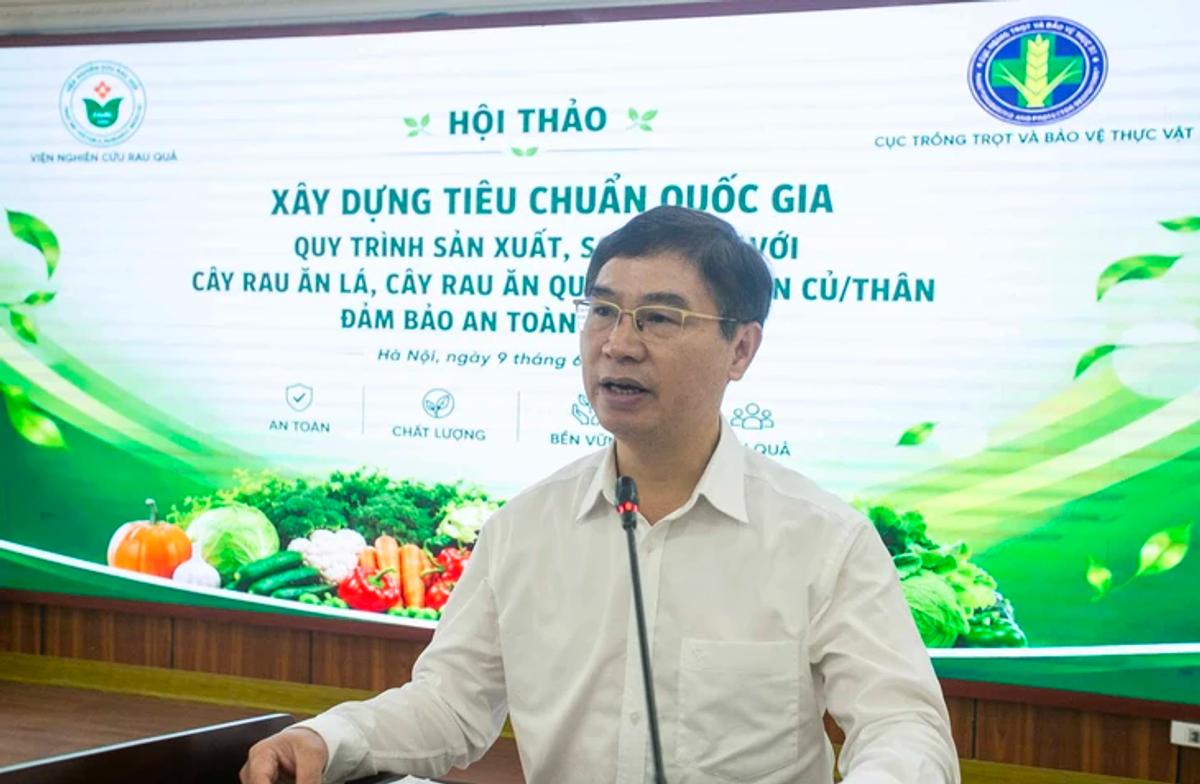
Sharing at the seminar, Mr. Hoang Anh Thu - Deputy Director of Tan Minh Duc Cooperative (Hai Phong) stated that with over 60 strict criteria, VietGAP is a significant challenge for farmers. He suggested that the draft should simplify record-keeping forms while promoting the application of digital technology and QR codes for traceability.

Agreeing with this view, Ms. Vu Thi Thanh Binh from the Sub-Department of Crop Production and Plant Protection of Hanoi affirmed that simplifying the standard is necessary to encourage small-scale producers to comply with food safety processes, thereby securing the supply for urban areas.

Regarding concerns about the new standard replacing VietGAP, Mr. Nguyen Quy Duong asserted: 'This is not a matter of replacement. The new standard simply adds another option, helping farmers approach safe production in a more feasible way, without undermining the value of existing standards'.

Tag: